
- Main video. 90 seconds to 3 minutes in 16:9, Full HD or 4K, for the web and presentations
- Short version. 30 to 60 seconds with the core message, for your website’s homepage or to open meetings
- Clips by spokesperson or topic. 3 to 6 clips of 30 to 90 seconds for LinkedIn or internal newsletters
- Vertical cuts. 9:16 or 4:5 versions with burned-in subtitles for social media
- Subtitles. SRT file in Spanish and, if included in the scope, in English or another language
- Supporting material. Thumbnail, selected stills and a textless master for future edits
Corporate video · Bogotá
Corporate video production in Bogotá, Colombia, to present your company more clearly.
Script, shoot, edit and versions for the web, presentations and social media. We start from your goal to define what to produce and what the quote should include.
Request a quoteI prefer WhatsApp ↗
Based in Bogotá · Scope and deliverables in writing
The service at a glance
What can you hire Sequoia Studio for?
Corporate video from Bogotá: presenting your company, explaining a solution or giving its people a voice.
- What it can include
- An approved script, interviews and B-roll; edit, sound, color grading and the agreed versions.
- What we need to know
- Goal, audience, spokespeople, locations, channels and delivery date.
- Price and date
- Confirmed per project, after reviewing the scope. There is no one-size-fits-all package and no guaranteed availability.
Compare with other services · Meet the studio and how we work · See our own sample and its context

Photo archive
The image, in detail.
Photography by Sequoia Studio · Selected by Ronald Infante.
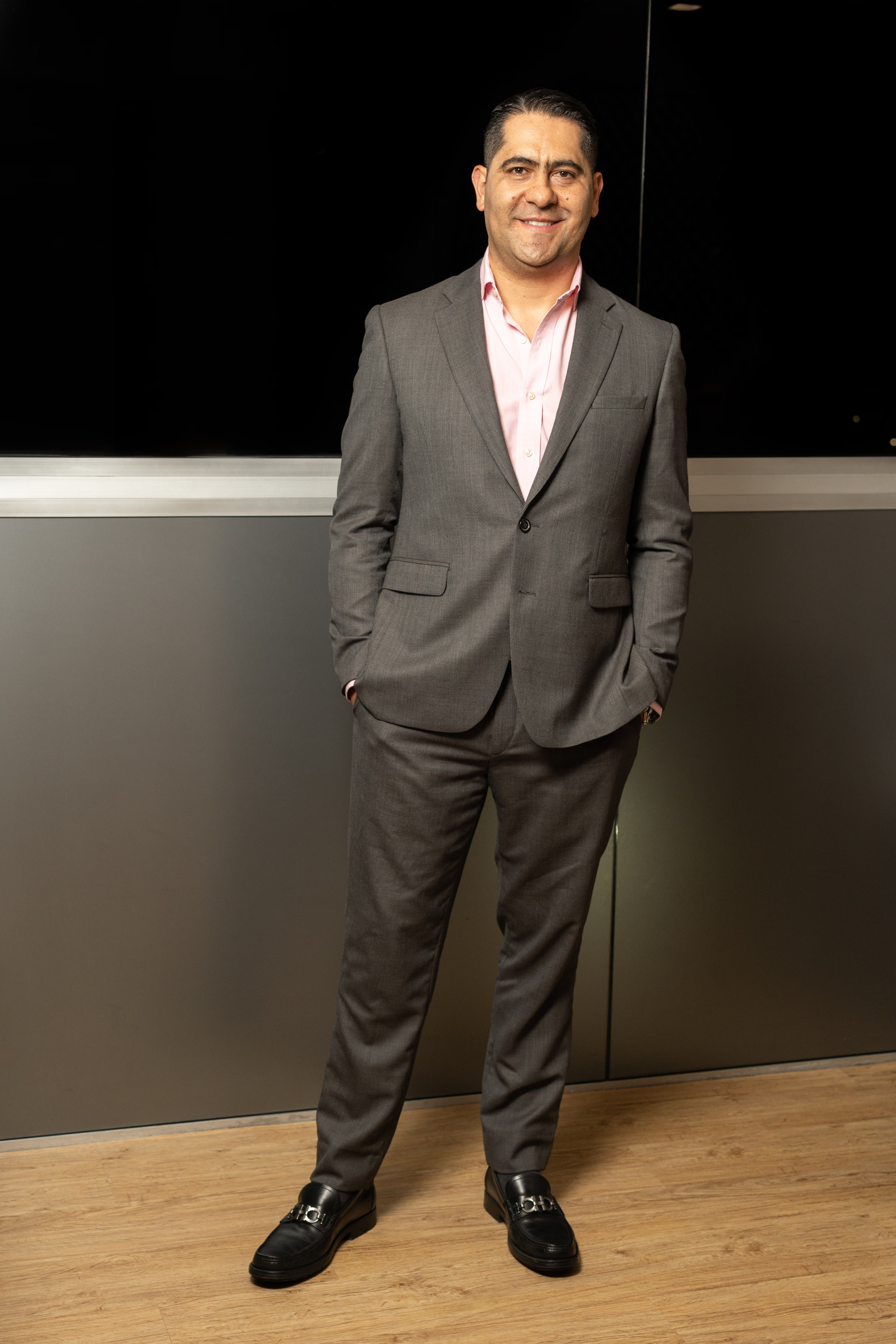
A selection from our photo archive: directing people, product and lighting. These images are photographs, not video stills or video cases for this service.
Corporate


What it can include
Deliverables shaped by how they will be used.
It’s a good fit when you need to present your company clearly, build trust, explain a complex process or create a main video that can be adapted to several channels.
- Corporate film or brand manifesto
- Directed interviews and testimonials
- Pieces for the web, presentations and social media
- Horizontal, vertical and subtitled versions
In practice
What is delivered and how long it usually takes.
A standard corporate shoot usually involves the director, a producer who coordinates with your company, the director of photography, a camera and lighting assistant, the sound recordist and, when there are interviews, a makeup artist.
- Brief and script: 1 to 2 weeks, depending on how quickly approvals come through
- Pre-production: 1 to 2 weeks: spokespeople, permits, locations and schedule
- Shoot: 1 to 2 shoot days for a project with one or two sites
- Post-production: 2 to 3 weeks, including two rounds of revisions
These are typical ranges for a standard project; the actual schedule is confirmed in writing with the scope.
Evidence and investment
What you can verify before requesting a quote.
We publish the evidence that exists and state its limits. The budget is built on a comparable scope, not on a generic figure that changes later.
Our own case study in directing, camera and editing.
The Sequoia Speed case documents where the footage came from, the directing decisions, the visual treatment, the sound and the limits of what that sample can prove.
Read the documented caseA figure that matches the scope.
For a corporate video, the price depends on the number of spokespeople and sites, the shoot days needed to film without stopping operations, researching and writing the script, graphics or animations that explain processes, voice-over, licensed music, the number of versions per channel, subtitles and translations. Shooting at night or on weekends also changes the logistics.
Share your project and budget rangeService guide
Decisions that improve the result before production.
This guide explains the scope, the variables and the criteria worth reviewing so you can hire with comparable information.
Read the full guide to preparing your project
What this service is and what problem it solves
A corporate video is a piece that turns a company’s identity, experience or transformation into a story people can follow. It can present the organization, explain a solution, support a complex sale, document a case or align a team. It isn’t a single format: its structure depends on the audience and on the decision it needs to make easier.
In practice, the term covers formats with very different jobs: the brand film for the “About us” page, the onboarding piece that welcomes each new employee, the walkthrough of a plant or a laboratory, the testimonial from a client who has already used the service, and the video that accompanies a tender or an industry trade show. Naming which one you need, and who will see it first, sets the tone, the length and how many people need to appear on camera.
When it makes sense to produce it
It’s especially useful when several people explain the company in different ways, when a proposal needs visual evidence or when the website has to answer questions that today require a meeting. It can also serve as the core piece for presentations, onboarding, press, social media and promotional cutdowns, as long as those versions are defined at the script stage.
The need often comes with a date attached: opening a new site, a rebrand, a merger, an anniversary, an investor meeting or the arrival of a large group of new employees. In those cases it’s worth first reviewing the material that already exists—photos, event recordings, presentations—because sometimes a new interview and a good edit are enough, and other times the archive is so out of date that everything has to be shot.
How to turn the brief into a plan
The brief should make clear which main claim the company can back up, who needs to believe it and what evidence exists to prove it. We identify the spokespeople, processes, spaces, archives, products and situations that can be shown on camera. Then we decide whether the story needs interviews, voice-over, documentary observation, re-enactment or a combination.
A useful corporate brief comes with concrete answers: the three messages the video can’t leave out, the list of potential spokespeople with their actual availability, the areas that can be filmed and those restricted for safety or confidentiality reasons, and the name of the person who approves the script. With that information, we choose the structure: guided interviews, voice-over on footage of the operation, or a story led by a single person.
Pre-production, crew and execution
In pre-production we prepare questions, messages, the scene sequence, the spokespeople’s schedule and the conditions at each location. During the shoot we make sure the answers are natural and complete, that there’s a variety of B-roll and that the location sound is usable. Continuity between people, spaces and actions means we don’t have to rely on generic footage.
A typical corporate shoot day combines interviews in a controlled space with walkthroughs of the operation. Interviews are scheduled in 30- to 45-minute blocks per spokesperson, including light makeup and a sound check, so their schedule isn’t disrupted. B-roll—hands at work, meetings, product details, building exteriors—is filmed with each area’s permission and, if identifiable employees appear, with their signed image release.
Deliverables for each channel
Besides the master, a company usually needs a short version for the homepage, clips by topic, vertical cuts, subtitles, thumbnails or clean files for presentations. Defining those outputs before the shoot changes the framing, the length of the answers and the supporting footage that has to be captured.
A common corporate package includes a two- to three-minute master for the web, a 60-second version to open sales presentations, clips by spokesperson or topic for LinkedIn and vertical cuts for Stories. Spanish subtitles are usually delivered as a separate file and also burned into the social versions, where many people watch without sound. If there’s an international audience, the English version is best planned from the script stage.
What changes the budget
The main variables are research and scripting, number of spokespeople, shoot days, locations, travel, art direction, archive footage, voice-over, music, graphics, languages and number of versions. An interview at a single location has a different cost structure from a corporate film shot across several sites, even if both run the same length.
Beyond length, the cost of a corporate video depends on how the company works on the inside. An operation that can only be filmed at night or on weekends, a plant that requires a safety induction and protective equipment for the crew, or an executive with only twenty minutes free all force shoot days to be reorganized. Animated graphics to explain data or processes, professional voice-over and translation also weigh in.
A comparable quoteIt should state the creative scope, shoot days, crew, post-production, versions, revision rounds, rights, schedule and what is not included.
How we review quality
Quality shows when the message is understood without extra context, the spokespeople sound credible, the audio is clear and every shot adds information. It also matters that names, job titles, figures and processes have been validated by the company. The visual style should reinforce the organization’s personality without turning it into a promise it can’t prove.
Before approving the cut, the company should check three things: that no figure, name or job title is out of date; that every interview’s audio can be understood on a laptop without headphones; and that the video doesn’t show screens, documents or boards with confidential information. That last check is often forgotten, and it forces shots to be blurred or replaced when the edit is already locked and the delivery date is close.
How to compare production companies and proposals
When comparing proposals, check who develops the story, how the spokespeople are prepared, how many locations and shoot days are included, what post-production covers and who consolidates feedback. Ask for the main video to be listed separately from its adaptations, and confirm music, archive footage, image releases, subtitles, masters and storage of the material.
A practical way to compare is to give each production company the same exercise: how they would structure a two-minute video with the spokespeople and spaces you have. The answer shows whether they understood the message or only quoted equipment. Also check whether the proposal includes preparing the spokespeople, who writes the questions, how many rounds of changes it allows for and what happens if an executive cancels on the day of the shoot.
Common mistakes to avoid
The most common mistakes are trying to tell the whole company’s story in a single piece, scripting answers so they seem spontaneous, choosing spokespeople by rank alone, shooting without time for B-roll and requesting new versions at the end. One priority message and a deliverables matrix keep the video from ending up long, generic or hard to reuse.
A typical mistake is filming the general manager’s interview in their office, backlit by the window with the air conditioning running, because “it looks more natural there.” Another is approving the script with one department and finding out at the first cut that another doesn’t agree. It’s worth identifying from the start everyone with the power to stop the project: communications, legal, senior management and, sometimes, the technical team that knows the process.
What should be in writing before we start
For a corporate video, the scope document should name each spokesperson with their exact job title, how much time they have available and who accompanies them on shoot day. It should also list the sites or areas to be filmed, their access hours, the entry requirements—safety induction, protective equipment, crew lists—and the person at the company who opens doors and handles surprises during the day.
The approved script or question guide should be attached, along with the facts the video will state and the source that backs each one. If figures about the operation, years in business, clients or certifications appear, the company confirms in writing that they’re correct and can be published. That avoids redoing on-screen titles or graphics when the legal team reviews the final cut.
Closing a corporate project means deciding who keeps the raw footage and for how long, because it’s common to ask for a new version months later. The documents should also state which formats are delivered—master, short versions, subtitle files, thumbnails—where the video will be hosted and whether the employees’ image releases cover external use or only internal communications.
Process
Clarity before, during and after.
Every stage ends with a specific decision or approval. That protects the schedule, the budget and the creative intent.
Goal, audience and message
We define who will watch the video, what they should understand by the end and which messages the company can back up with facts.
Concept, script and shooting plan
We write the script or the questions, choose spokespeople and locations, and build a shooting schedule that works around your operations.
Directing, camera, lighting and sound
We direct the interviews to get natural answers, film B-roll of the operation and control the location sound in each space.
Edit, color grading, sound mix and versions
We cut the story, grade the color, mix the audio and export the main video with its short, vertical and subtitled versions.
Frequently asked questions
What to define from the brief.
What’s the difference between a corporate video and a commercial?
A corporate video explains who you are, what you do or how you work; a commercial usually focuses on a specific campaign, product or action. A single production can yield both formats if that’s defined in the brief.
How long does production take?
It depends on the script, approvals, locations, talent and number of versions. Before we start, we deliver a schedule with pre-production, shoot and post-production milestones.
Does the project include a script?
Yes, when the scope calls for it. The script can be narrative, technical, interview-based or a combination. It’s approved before we shoot.
How do you prepare spokespeople who aren’t used to being on camera?
We don’t give them lines to memorize. We have a conversation beforehand to learn how they explain their work, share the topics in advance and, on the shoot, ask the same thing from different angles. Most people gain confidence after the first few minutes. If someone freezes completely, their part can be covered with a voice-over laid over footage of their work.
Can you film on site without stopping operations?
In most cases, yes. Walkthroughs are planned with the head of each area, we film during quieter hours and a reduced crew goes into tight spaces. Areas with machinery, laboratories or customer-facing service may require a safety induction or additional permits, which are best arranged before setting the date.
What about employees who appear in the video?
Anyone identifiable should sign an image release stating which channels the video will be used on and for how long. Anyone who doesn’t want to appear can stay out of frame or be blurred. For an onboarding video for internal use, the release can be more limited than for a public piece on the web or social media.
Can you use footage the company already has?
Yes, as long as the company holds the rights to that material and its quality allows it to be integrated. Event recordings, historical photos or phone videos can work as archive footage if the edit presents them as such. Before quoting, we review what exists to see what can be reused and what needs to be shot again.
Can the video have an English version?
Yes. The simplest option is subtitles; the most complete is to film the interviews in English or add an English voice-over. If this is decided at the script stage, we leave shots free of burned-in text and design the graphics to be editable, so changing the language doesn’t mean redoing the animation or the edit.
Go deeper
Related guides.
Content written to help you prepare the project better and compare scopes with judgment.
Your next project
First we understand the intent. Then we choose the tools.
Tell us what you need to communicate, to whom, and when it has to be ready.
Write to Sequoia Studio