
- Campaign master. A 20- to 60-second piece in 16:9, 4K or Full HD, with the final mix
- Paid media cutdowns. 15- and 6-second versions, often with their own opening
- Vertical and square formats. 9:16, 4:5 and 1:1 adaptations with text inside the safe areas
- Clean version. Master without voice-over, text or brand end card, for creating new variations
- Stills and product shots. A selection of high-resolution frames for graphic design pieces
- Separate audio. Music, voice and effects tracks for later adjustments
Commercials · Bogotá
Commercial production in Bogotá, Colombia, for your next campaign.
We turn your brief into a hero piece and adaptations for the agreed channels. Concept, production and post-production, with the scope in writing.
Request a quoteI prefer WhatsApp ↗
Based in Bogotá · Scope and deliverables in writing
The service at a glance
What can you hire Sequoia Studio for?
Commercial production from Bogotá: getting a specific proposition across in a campaign or launch.
- What it can include
- Concept and shooting plan; hero piece and adaptations defined for the campaign.
- What we need to know
- Product, message, audience, paid media channels, references and the intended usage rights.
- Price and date
- Confirmed per project, after reviewing the scope. There is no one-size-fits-all package and no guaranteed availability.
Compare with other services · Meet the studio and how we work · See our own sample and its context

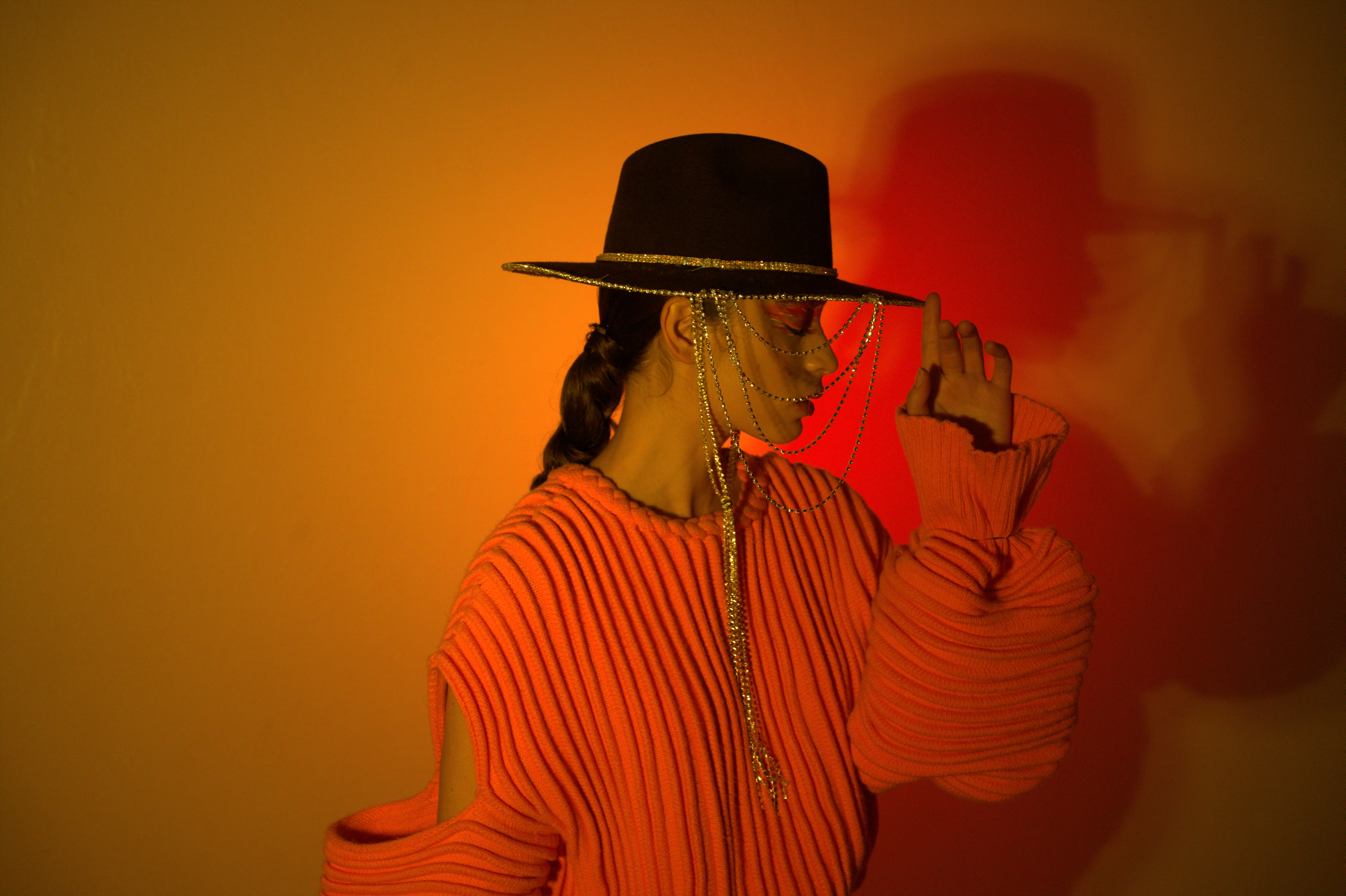
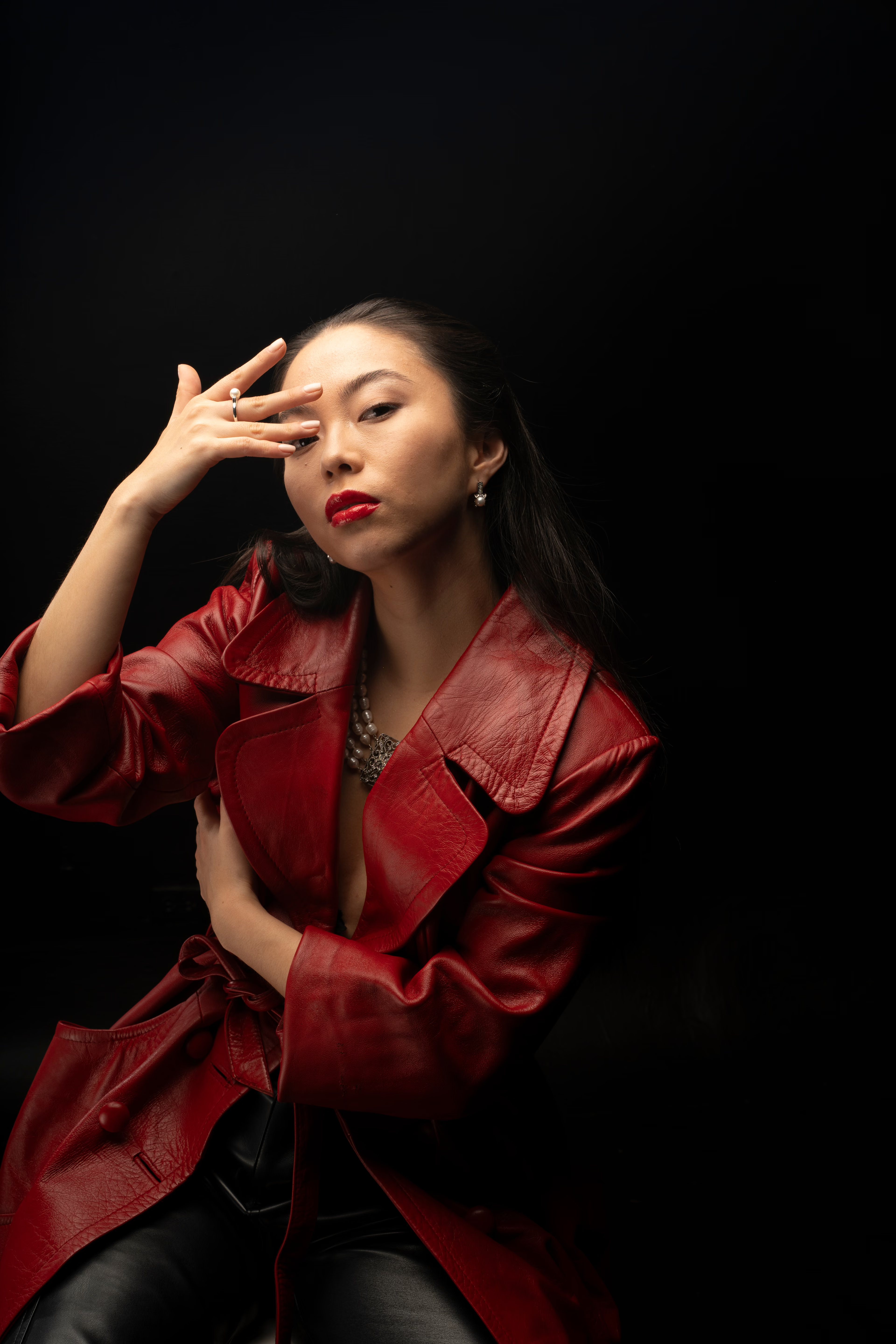
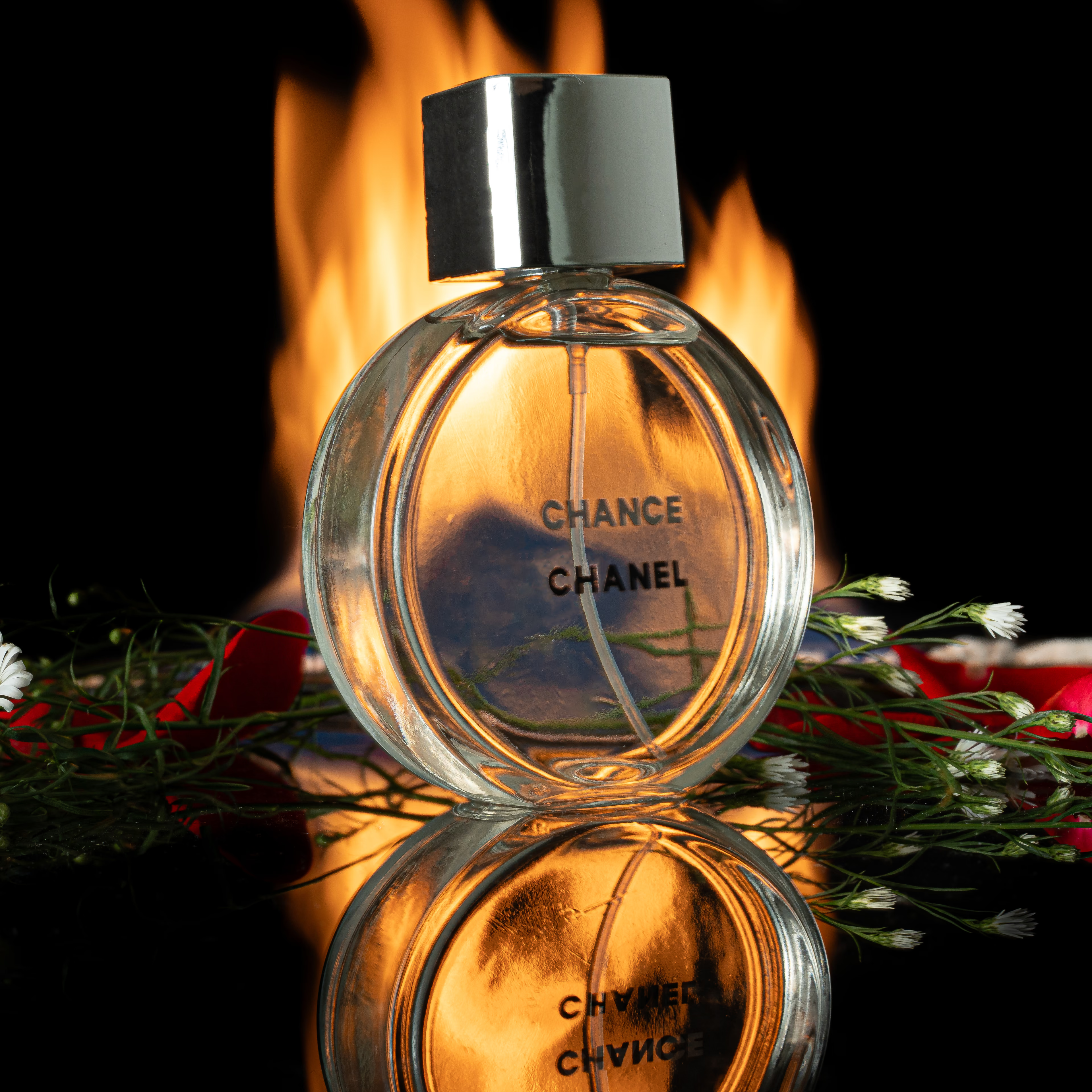
Photo archive
The image, in detail.
Photography by Sequoia Studio · Selected by Ronald Infante.
A selection from our photo archive: directing people, product and lighting. These images are photographs, not video stills or video cases for this service.
Fashion
Jewelry
Product
What it can include
Deliverables shaped by how they will be used.
It works for brands that already have a campaign objective and need to turn it into a central piece with a consistent visual language, plus versions planned from pre-production.
- Commercial or hero campaign piece
- Cutdowns for digital paid media
- Adaptations by format and length
- Product, talent and art direction
In practice
What is delivered and how long it usually takes.
A standard commercial shoot usually brings together a director, producer, assistant director, director of photography with camera assistants, gaffer and electricians, sound recordist, art director with their team, wardrobe, makeup and the hired talent.
- Treatment and approval: 1 to 2 weeks from the brief
- Pre-production: 2 to 3 weeks: casting, location, art direction and tests
- Shoot: 1 to 2 shoot days for a piece with one or two locations
- Post-production: 2 to 4 weeks, depending on effects, animation and number of versions
These are typical ranges for a standard project; the actual schedule is confirmed in writing with the scope.
Evidence and investment
What you can verify before requesting a quote.
We publish the evidence that exists and state its limits. The budget is built on a comparable scope, not on a generic figure that changes later.
Product, pacing and finish from a verifiable source.
The Sequoia Speed showreel brings together our own footage and explains how selection, product direction, editing, color and sound were handled, without claiming commercial results that don’t exist.
See the case and its limitsA figure that matches the scope.
For a commercial, the price depends on the talent and their usage rights by media and term, the location or built set, art direction and props, product styling, shoot days, effects or animation, music (original, library or licensed) and the number of adaptations for paid media. Pre-production weighs more than in other video formats.
Share your project and budget rangeService guide
Decisions that improve the result before production.
This guide explains the scope, the variables and the criteria worth reviewing so you can hire with comparable information.
Read the full guide to preparing your project
What this service is and what problem it solves
A commercial turns a campaign proposition into a piece of film designed to capture attention and prompt an action. It can be a spot, a product film, a launch piece or a system of ads. Its value isn’t only in how it looks: idea, pacing, demonstration, brand and call to action have to work together within a very few seconds.
Advertising video includes formats that follow different logics: the narrative commercial with actors and a short story, the studio product demo, the ad with a real testimonial, the teaser before a launch and the short ads rotated through digital paid media. Choosing one isn’t a matter of taste: it depends on whether the audience already knows the brand and how much the product needs explaining before you ask for an action.
When it makes sense to produce it
It makes sense when there’s an offer, launch or positioning that needs to compete in paid media, on social media, at the point of sale or on screens. It also works for building a hero campaign piece and deriving ads by benefit, audience or funnel stage. The production team needs to know from the start where each version will appear and under what restrictions.
A commercial is justified when there’s a moment to back it—a launch, peak season, an opening, a price change—and a media spend that lets people actually see it. Producing an expensive piece without paid media usually wastes it. Conversely, a brand with active paid media and worn-out ads may need a production that delivers many variations rather than a single large-scale commercial.
How to turn the brief into a plan
A commercial brief should separate the business objective from the creative message. We need to know the product, audience, objection, provable promise, tone, channel, length, usage territories and mandatory elements. On that basis we develop a treatment that explains the concept, camera language, art direction, casting, sound, references and how the brand is integrated.
A useful commercial brief includes things that are often forgotten: mandatory legal copy, category-specific restrictions (food, alcoholic beverages, health or financial services), the current logo and packaging, prices or promotions that might change before airing, and previous campaigns the brand doesn’t want to repeat. With that information, the treatment proposes ideas that can actually get through internal approval.
Pre-production, crew and execution
Pre-production turns the treatment into a breakdown, storyboard or shot list, casting, tests, locations, art direction, wardrobe, a schedule and a technical plan. On the shoot, we protect time for the essential shots and for the planned variations. Product, continuity and text-safe framing usually need different checks from those of a purely narrative piece.
A commercial shoot day is organized around the product shot and the brand end card, which can’t be missed. The product arrives in several flawless units, because a scratched label shows in 4K. The art team prepares surfaces and props, wardrobe has backup changes and the brand or agency reviews on a monitor as the shots are completed, approving before each set is struck.
Deliverables for each channel
A campaign may require 30-, 15- and 6-second masters, alternative openings, 16:9, 9:16 and 1:1 ratios, versions with or without text, subtitles and files with size limits. Not all of them can be solved by trimming the master. Some need a different narrative order, an earlier demonstration or an ending specific to the platform.
Besides the master, it’s worth asking for a cut without voice-over or text, because it lets you create ads with other messages without reshooting. Clean product shots for graphic design, high-resolution stills for static pieces and music separated from the voice tracks are also useful. In digital paid media, having three or four different openings lets you test which one best stops the audience.
What changes the budget
The budget changes with shoot days, talent and rights, locations, set construction, product, styling, technical crew, practical effects, animation, music, voice-over and number of adaptations. A campaign’s term, media and territories can also affect licenses. That’s why a quote should state usage and exclusions, not just shoot resources.
Two quotes with the same number of shoot days can differ widely because of decisions that don’t appear on the equipment list: a well-known actor versus new talent, a hit song versus library or original music, a set built in a studio versus a real location, or a product transformation done with digital effects instead of in front of the camera. Each of those choices should be justified by the idea.
A comparable quoteIt should state the creative scope, shoot days, crew, post-production, versions, revision rounds, rights, schedule and what is not included.
How we review quality
A good commercial lets viewers recognize the idea, the brand and the benefit even in a brief view. Cinematography and sound design should guide attention; the product has to be shown with intent; and the opening has to work in the real channel. We check legibility, safe areas, color, mix and consistency across versions.
A useful test before approving the cut is to watch it on a phone, with the sound off and inside the interface where it will run: is the product clear, and does the brand appear before people scroll past? It’s also worth checking that text doesn’t sit under the app’s buttons, that the product’s color matches the real packaging and that legal copy stays on screen long enough to be read.
How to compare production companies and proposals
Compare the creative interpretation, not just the equipment list. Confirm which creative and production roles are included, how casting, art direction, locations, permits and rights are handled, and how many adaptations are delivered. A lower budget may correspond to a proposal without the same usage, shoot days or finish.
Ask each production company for the treatment, not just the budget: a document with visual references, a casting proposal, the location, the tone of the music and how the product will be shown. Two proposals with similar figures can contain ideas of very different quality. Also ask who directs on shoot day, how many days of pre-production they plan for and whether the fee includes talent usage rights for your media.
Common mistakes to avoid
The usual stumbling blocks are approving an idea without checking that it fits the time available, designing the vertical version after the shoot, underestimating art direction or sound, piling on mandatory messages until clarity is lost and not defining who approves. A locked treatment, a realistic breakdown and a list of versions protect both the creative work and the investment.
A recurring problem is changing the script during the shoot because of the opinion of someone who wasn’t part of the approval. Another is shooting with packaging that changes before the launch, or planning an outdoor location with no backup for the afternoon rain that is so common in Bogotá. A backup location, a closed list of people on set and a confirmed final product prevent many of those surprises.
What should be in writing before we start
In a commercial project, the scope should record the approved script or storyboard, the exact length of each version, the media where it will run and how long it will be on air. With that information, the talent and music rights are negotiated. If the brand later decides to take the piece to TV or extend it to another country, that extension is quoted separately.
It’s worth spelling out what each party provides: the brand supplies enough product, logos, fonts, legal copy and current prices; the agency, if there is one, the concept and creative approvals; the production company, the casting, location, art direction and technical crew. It should also be written down who attends the set with authority to approve shots and who has the final say if there’s a disagreement.
The final delivery of a commercial should list each file with its specs: length, aspect ratio, resolution, maximum file size, and whether it carries text, subtitles and the brand end card. Separate audio tracks and a clean master are usually added. It also helps to agree on a naming convention the media team recognizes immediately, so the wrong version doesn’t get uploaded to the platform.
Process
Clarity before, during and after.
Every stage ends with a specific decision or approval. That protects the schedule, the budget and the creative intent.
Campaign brief and references
We review the campaign objective, product, media and visual references to understand what the piece needs to trigger and where it will compete.
Concept, treatment and budget
We present the idea in a treatment covering tone, casting, location and art direction, together with a budget that reflects those decisions.
Production and shoot
We handle casting, location scouting and product tests; on the shoot we prioritize the essential shots and the variations for each format.
Edit, color, sound and adaptations
We cut the master, adjust color and mix, and build the versions by length and aspect ratio that the media plan calls for.
Frequently asked questions
What to define from the brief.
Do you produce a single commercial or a series?
Both are possible. When a campaign needs several pieces, we plan shared resources to keep visual continuity and make the most of each shoot day.
Do you include talent and locations?
They’re quoted according to the approved scope. We can include casting, art direction, makeup, permits and location scouting when the project needs them.
Do you deliver versions for paid media?
Yes, as long as they’re defined in the scope: lengths, aspect ratios, subtitles, text-safe areas and file-size limits.
What is a treatment, and why approve it before the shoot?
It’s a document that explains how the commercial will look and sound before it’s produced: tone, visual references, type of casting, location, color palette, music and how the product will be shown. It lets the brand approve a concrete direction and avoids surprises at the first cut. It’s also useful for comparing proposals from different production companies on similar criteria.
How are talent rights handled?
Actors and models are hired by usage: media (digital, TV, out-of-home), territory and term. A six-month contract for social media doesn’t cover a TV broadcast or a renewal the following year. That’s why it’s best to define the media plan before casting and to state in the contract what it would cost to extend usage if the campaign runs longer.
Can we use a well-known song?
You can, but it requires a license from both the songwriters and the owner of the recording, and the cost depends on media, territory and term; in some cases it isn’t granted. The alternatives are music libraries with clear licenses or an original score, which also avoids claims on the platforms. It’s best decided before the edit, because the music sets the rhythm of the piece.
Can the brand or the agency be present at the shoot?
Yes, and we recommend that whoever has approval authority attends. We set up a monitor so they can see every shot in real time without interrupting the crew. Ideally, one person consolidates the client’s feedback and passes it to the director, so decisions are quick and don’t contradict each other.
Is it possible to produce a commercial on a tight budget?
Yes, if the idea is designed for that budget rather than cut down from a bigger one. A single location, a few characters, the product as the hero and a small crew can deliver a solid result. What usually goes wrong is keeping the ambition of the original script with half the resources: that’s where quality, shooting time and control over the finish get lost.
Go deeper
Related guides.
Content written to help you prepare the project better and compare scopes with judgment.
Your next project
First we understand the intent. Then we choose the tools.
Tell us what you need to communicate, to whom, and when it has to be ready.
Write to Sequoia Studio