
- Recap video. Horizontal 16:9 piece, usually 1 to 3 minutes long, with licensed music and lower thirds.
- Vertical clips. Two to five 9:16 cuts of 15 to 60 seconds, with subtitles, for Stories and Reels.
- Edited interviews. One to two minutes per spokesperson, with a name and title lower third, horizontal or vertical.
- Photography. An edited selection in high-resolution JPG for press and a lightweight version for the web, organized by moment or room.
- Express delivery. Five to fifteen photos or a short clip during the day, if a dedicated on-site editor is included.
- Full sessions. A recording of each talk with audio from the sound desk, delivered as 1080p MP4 for publishing after the event.
Event video · Bogotá
Event videography in Bogotá, Colombia: recap videos and aftermovies.
We tell the story of your event in a piece of one to three minutes, with interviews and vertical clips. For photography, streaming and priced packages, see our corporate event coverage.
Request a quoteI prefer WhatsApp ↗
Based in Bogotá · Scope and deliverables in writing
The service at a glance
What can you hire Sequoia Studio for?
Event coverage from Bogotá: capturing a corporate gathering and turning it into pieces you can use after the date.
- What it can include
- Coverage of priority moments, interviews and a recap video; photography if agreed.
- What we need to know
- Agenda, venue, schedule, simultaneous activities, available audio and priority deliveries.
- Price and date
- Priced packages are listed on our corporate events page. Scope and date are confirmed per project, with no guaranteed availability.
Compare with other services · Meet the studio and how we work · See our own sample and its context

Photo archive
The image, in detail.
Photography by Sequoia Studio · Selected by Ronald Infante.
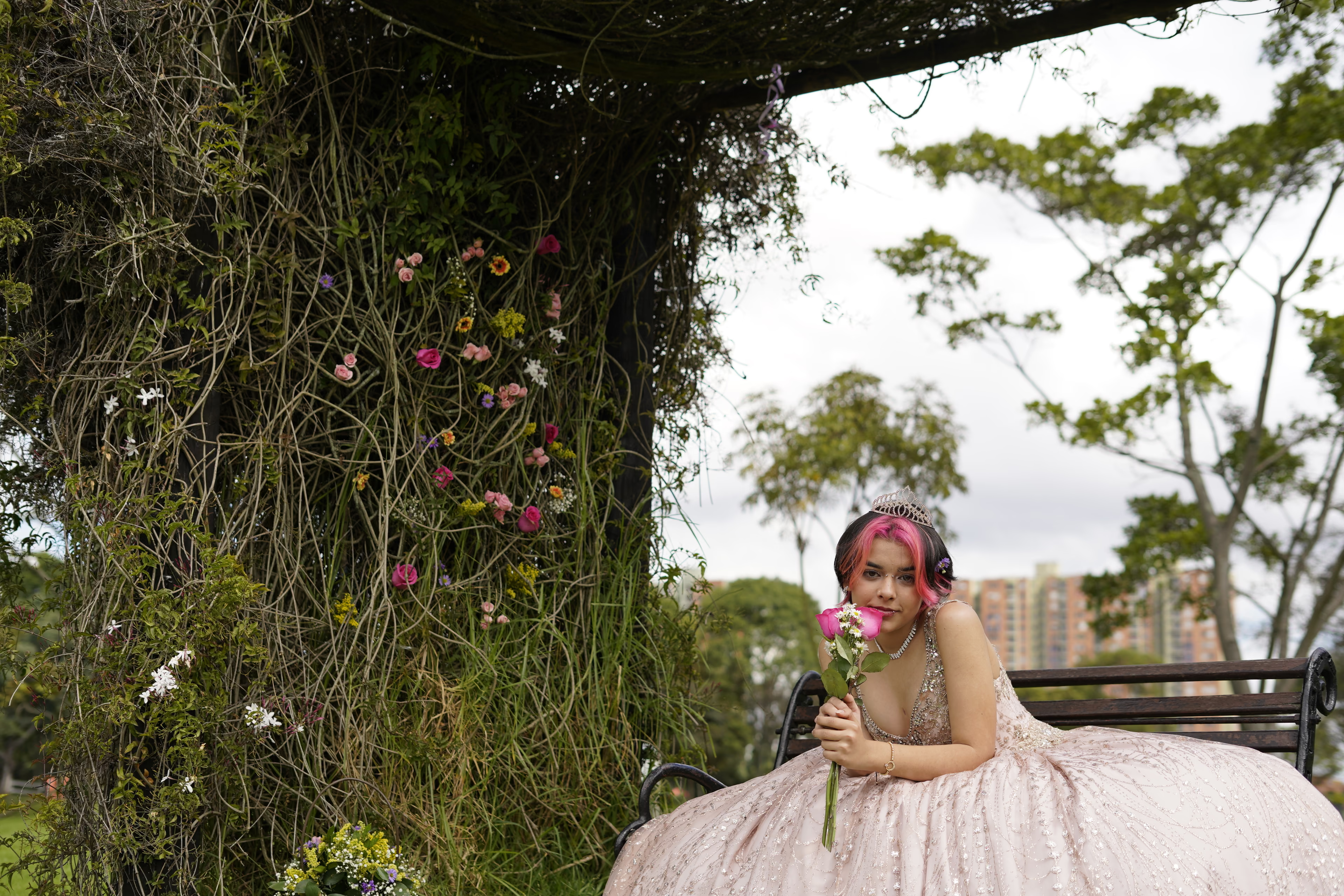
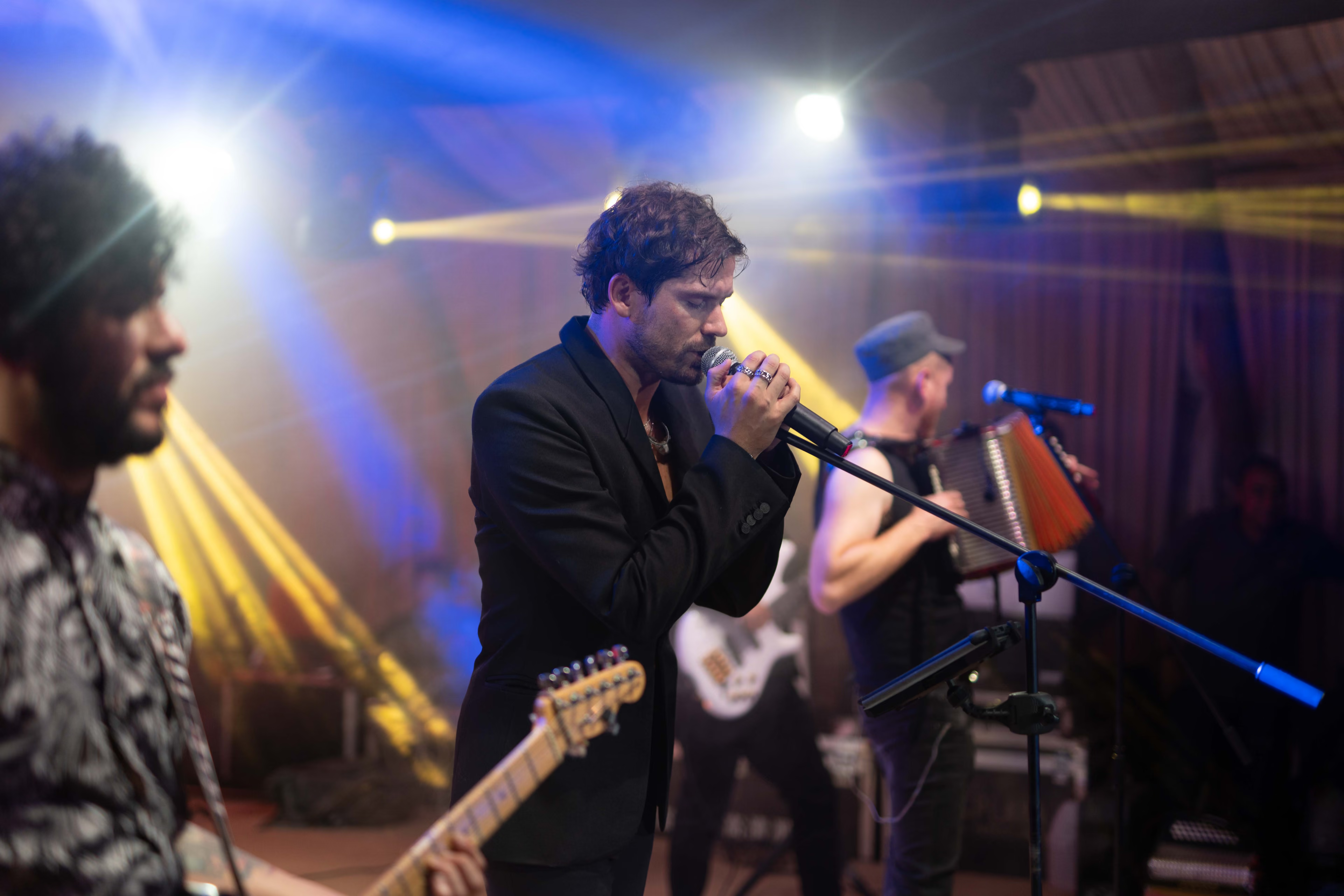
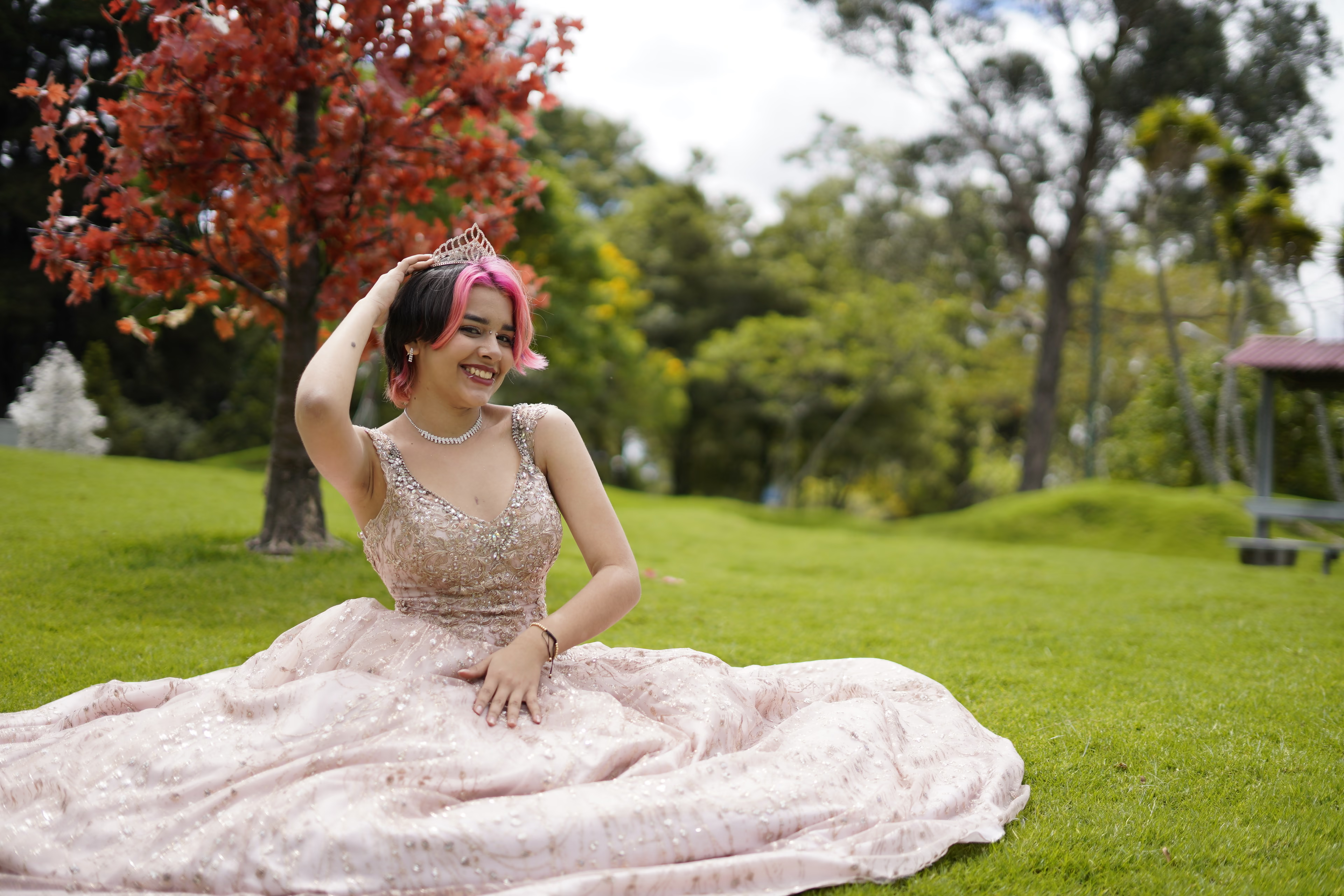
Photos of social celebrations and live music from our archive. They are samples of event photography, not coverage of corporate conferences.
Events
What it can include
Deliverables shaped by how they will be used.
It's useful for conferences, launches, internal meetings and brand experiences where the footage has to show what happened and extend its value beyond the date.
- Recap video or aftermovie
- Interviews with spokespeople and attendees
- Photography of the atmosphere and key moments
- Short pieces during or after the event
In practice
What is delivered and how long it usually takes.
Depending on the size of the event, the coverage team includes someone coordinating the production, one or more camera operators, a person in charge of sound, photography and, if there are deliveries during the day, an editor working on site.
- Planning and site visit: One to three weeks before the event, depending on its size
- Coverage: From half a day to several days, depending on the agenda
- Express deliveries: The same day or within the following 24 hours
- Recap video and final gallery: Usually 5 to 10 business days, plus feedback rounds
These are typical ranges for a standard project; the actual schedule is confirmed in writing with the scope.
Evidence and investment
What you can verify before requesting a quote.
We publish the proof that exists and state its limits. The budget starts from the packages published on our corporate events page and is adjusted to the scope.
Our own photography of celebrations and events.
The events section of our photography portfolio brings together our own images, with authorship and origin stated. Video scope is confirmed separately in each proposal. The experiences we have covered for brands, with their videos, are on our corporate events page.
See event photography See corporate eventsA figure that matches the scope.
For events, the price is driven mainly by hours of coverage, spaces running at the same time and delivery speed. Covering a talk in a single room takes fewer people than a conference with parallel rooms and an exhibition area. Interviews, on-site editing, night or multi-day shoots, transport and the number of final pieces per channel also add up.
Share your project and budget rangeService guide
Decisions that improve the result before production.
This guide explains the scope, the variables and the criteria worth reviewing so you can hire with comparable information.
Read the full guide to preparing your project
What this service is and what problem it solves
Event video coverage plans how to capture an experience that won't happen again and turn it into useful evidence after the date. It can combine an aftermovie, interviews, photography, full sessions, quick-turnaround content and archive footage. It isn't about filming everything: it means identifying the moments, people, messages and atmospheres that need to outlive the event.
In practice, coverage answers one question: who will see the footage later, and what do they need to feel or know? A recap video for attendees is there to help them remember; one for sponsors has to show brands, audience and activations; the full recording of a conference serves those who couldn't attend. Separating those audiences from the start determines whether we prioritize atmosphere, the content of the talks or testimonials, and avoids an edit that tries to please everyone.
When it makes sense to produce it
It suits conferences, internal meetings, launches, trade shows, award ceremonies and brand experiences. The footage can prove attendance, sum up what was learned, say thank you, feed the press, document culture or promote the next edition. Each purpose calls for different coverage and may require simultaneous crews.
It's especially worthwhile for annual events, because footage from this edition helps sell the next one: registrations, sponsorships and calls for speakers. Also for internal meetings where part of the team works in other cities and needs to see what happened. If the event is small and the only goal is to post Stories that day, one person covering photography and short clips may be enough; a full crew is justified by long pieces or several rooms.
How to turn the brief into a plan
We review the agenda, the venue floor plan, access, lighting, room sound, moments that can't be repeated, spokespeople, priority guests and delivery times. An audiovisual run of show assigns cameras and owners to each milestone. It also defines where interviews will take place and how production will receive changes during the day.
The key document is a list of milestones with estimated time, room and owner: opening, the executive's remarks, awards, toast, group photo. Alongside it, we ask for the list of people who must appear on camera, ideally with a photo and job title, because in a packed room it's easy to mix up faces. It also helps to have the direct contact of whoever runs the stage, so we find out in time if something is moved up or canceled.
Pre-production, crew and execution
Coordination with the event team is essential. We agree on positions, audio feed, movement between zones, credentials, load-in, backup and venue protocols. During coverage, we capture wide shots, action, details, reactions and transitions; that variety lets us build a story, not a string of stage shots.
In an auditorium, a setup that usually works is a locked-off camera on the stage wide shot, fed by the sound desk, plus a roaming camera looking for reactions, details and atmosphere. Interviews are done in a corner away from the noise, with a lavalier mic and a background that identifies the event. At the end of each block, the cards are copied to two drives, so an equipment failure can't wipe out part of the day.
Deliverables for each channel
Scope can include a main recap, daily cuts, interviews, short capsules, selected photos, full sessions and masters for screens or social media. A same-day delivery needs a dedicated editor, transfer and approval path. The final video can follow a different process and a more polished treatment.
It helps to separate what is published during the event from what comes later. The immediate material is usually a short selection of photos and one or two vertical clips with subtitles, made for same-day social posts. The later material includes the recap video, the edited interviews and the full gallery. If full talks will be delivered, we agree on whether they carry lower thirds, the event logo and the speaker's slides inserted, because that changes the edit.
What changes the budget
The factors are length and schedule, simultaneous spaces, number of cameras, photographers, audio, full session recording, interviews, travel, immediate delivery, editing, music and versions. An event of just a few hours may need a large crew if several things happen at once; length alone doesn't set the cost.
Some costs only appear when you review the logistics: arriving early to set up before doors open, overtime if the event runs long, night shoots, parking and equipment transport, crew meals and credentials. A two-day event doesn't cost double a one-day event, but the second day isn't half price either: backup, editing and daily deliverables all change. If the agenda isn't final yet, we quote with explicit assumptions and adjust them once it's confirmed.
A comparable quoteIt should state the creative scope, shoot days, crew, post-production, versions, revision rounds, rights, schedule and what is not included.
How we review quality
Coverage should preserve intelligible audio, decisive moments, the event's identity and a variety of shot sizes. We check that spokespeople are identified, that no program milestones are missing and that the edit represents what happened without exaggerating it. In photography, what matters is color consistency, selection and delivery organized by use.
Before delivery, we check what clients tend to notice first: names and job titles spelled correctly in the lower thirds, sponsor logos that needed to appear, and people who shouldn't. In photography, we discard unflattering images, such as someone eating or with their eyes closed, even if the composition is good. In the interviews, we make sure every word is clear without turning up the volume, and in the recap, that the order of moments doesn't alter what happened.
How to compare production companies and proposals
Compare coverage plans, not just the number of operators. Confirm cameras per space, audio source, interviews, photography, fast delivery, backup, schedules and post-production. Ask how the crew will act if the agenda changes and who will receive instructions; live, an unclear responsibility turns into lost footage.
Ask to see a complete gallery from one event, not just the ten best photos: that's where you can tell whether the photographer keeps up the quality in dark rooms and repetitive moments. Confirm how many hours the proposal covers and how much each extra hour costs, who your contact will be during the event and on what date each delivery arrives. If the proposal doesn't say how the audio from the talks will be captured, ask: the camera mic is rarely enough in a conference room.
Common mistakes to avoid
The frequent mistakes are not sharing the final agenda, relying only on room audio, getting in the way of the attendee experience, discovering late that there are parallel sessions and asking for immediate delivery with no one available to approve it. A site visit or a detailed review of the floor plan cuts down on improvisation on the day of the event.
Some problems come up again and again: stages lit dimly so the screen stands out, which leaves the speaker almost in the dark on camera; LED screens that flicker on video; crew held up at the entrance for lack of credentials, or restricted areas nobody mentioned. Another risk is assuming the venue's internet will be good enough to send heavy files. Talking to the venue's technical team a few days ahead solves most of these issues.
What should be in writing before we start
The following should be put in writing: the final agenda, the exact address of the venue, the crew's arrival time, the loading and unloading point, the credentials required and the contact for whoever coordinates the setup. Also which rooms or spaces are covered and which are not. If the venue requires insurance policies, proof of the crew's social security contributions or advance registration of equipment, it's best to know several days ahead, because some venues won't let you sort it out on the day.
If there will be deliveries during the event, we put in writing how many pieces, at what time and in what format, who approves them and through which channel they are sent. A photo of the opening posted thirty minutes in requires someone on the client side to be available to review it at that moment; without that person, express delivery loses its point. For the later material, we set dates for each piece and the number of feedback rounds included.
The use of attendees' and speakers' images is also agreed in advance. Typically, the organizer states at registration or at the entrance that the event will be photographed and filmed, and offers a simple way to opt out, such as a different-colored wristband or badge. Speakers should authorize the recording of their talk and the use of their slides; if a presentation is confidential, it is marked on the agenda so it isn't recorded.
Process
Clarity before, during and after.
Every stage ends with a specific decision or approval. That protects the schedule, the budget and the creative intent.
Agenda, venue and priority moments
We review the agenda, the venue floor plan and the moments that won't be repeated, and flag the people who must appear on camera.
Camera, audio and interview plan
We assign each camera to a room or moment, define where the audio comes from and place the interviews in real gaps in the agenda.
Coverage coordinated with the event production team
On the day of the event, we work with whoever runs the stage, back up the footage block by block and adjust positions if the agenda changes.
Selection, edit and delivery by channel
We choose the best photos and shots, cut the recap and deliver each piece in the format of the channel where it will be published.
Frequently asked questions
What to define from the brief.
How many cameras does an event need?
It depends on the stage, the agenda, the available audio and any simultaneous moments. A site visit or the venue floor plan helps us define it.
Can you deliver content the same day?
It's possible if an on-site editing unit, footage transfer and fast approvals are planned. It is a separate scope from the final video.
Do you include photography?
It can be integrated with the video team so both share the schedule and visual direction, without getting in the way of priority moments.
Can you livestream the event?
Yes. Our Live package is a multicamera livestream of up to 3 hours on air, with 2 cameras and live switching, a 3-person technical crew, 1 streaming platform with branded lower thirds, a full recording of the program and a technical test of connection and sound beforehand. Pricing and details are on our corporate events page. We also record full talks with good audio to publish afterward, edited or exactly as they happened.
What about attendees who don't want to appear in photos or video?
The most practical approach is to identify them at the entrance, with a different-colored badge or wristband the crew knows about. In the edit, we keep them out of close-ups and, if someone asks later, we remove the photo from the gallery or replace the shot in the video. The notice that the event will be photographed and filmed should be on the registration form, not just on a sign in the room.
Do you cover multi-day events?
Yes. For long events, we plan shifts so the crew doesn't reach the closing exhausted, and we back up the footage at the end of each day. It's common to deliver a daily photo selection for social media and leave the recap video until after the last day, when we can choose the best of the whole program, not just of the first day.
What do you need from the venue on the day?
A nearby loading and unloading point, a secure space to leave cases and back up footage, power outlets, access to the sound desk if the talks are being recorded, and credentials for the whole crew. If there are interviews, it helps to reserve a quiet corner with some light. With the venue floor plan and the technician's contact details, we sort out the rest before we arrive.
How long does the recap video take?
As a guide, one to two weeks after the event, depending on the length of the piece, the amount of footage and how many feedback rounds there are. If you need a version sooner, for example for a board meeting or to announce the next edition, we can prioritize a short cut and leave the long version for later. That priority is agreed when we quote.
Go deeper
Related guides.
Content written to help you prepare the project better and compare scopes with judgment.
Your next project
First we understand the intent. Then we choose the tools.
Tell us what you need to communicate, to whom, and when it has to be ready.
Write to Sequoia Studio