
- Video episode. The full conversation in 16:9, Full HD or 4K; 30 to 60 minutes is a typical length
- Audio master. Normalized file for audio platforms, with episode cover art and tags
- Vertical clips. 3 to 6 excerpts of 30 to 90 seconds in 9:16, with subtitles
- Thumbnails and cover art. One thumbnail per episode for YouTube and square cover art for audio
- Publishing copy. Description, timestamped chapters and guest credits
- Separate tracks. Audio from each microphone and synced camera files, if their delivery is agreed
Podcast · Bogotá
Podcast production in Bogotá, Colombia, from idea to episode.
Planning, recording and editing in audio or video, depending on your project. Tell us how many episodes and participants you have in mind.
Request a quoteI prefer WhatsApp ↗
Based in Bogotá · Scope and deliverables in writing
The service at a glance
What can you hire Sequoia Studio for?
Podcast production from Bogotá: turning interviews and conversations into branded episodes and clips.
- What it can include
- Run-down, audio and video capture, episode editing and cuts defined in writing.
- What we need to know
- Number of participants and episodes, expected length, location and whether you need clips.
- Price and date
- Confirmed per project, after reviewing the scope. There is no one-size-fits-all package and no guaranteed availability.
Compare with other services · Meet the studio and how we work · See our own sample and its context
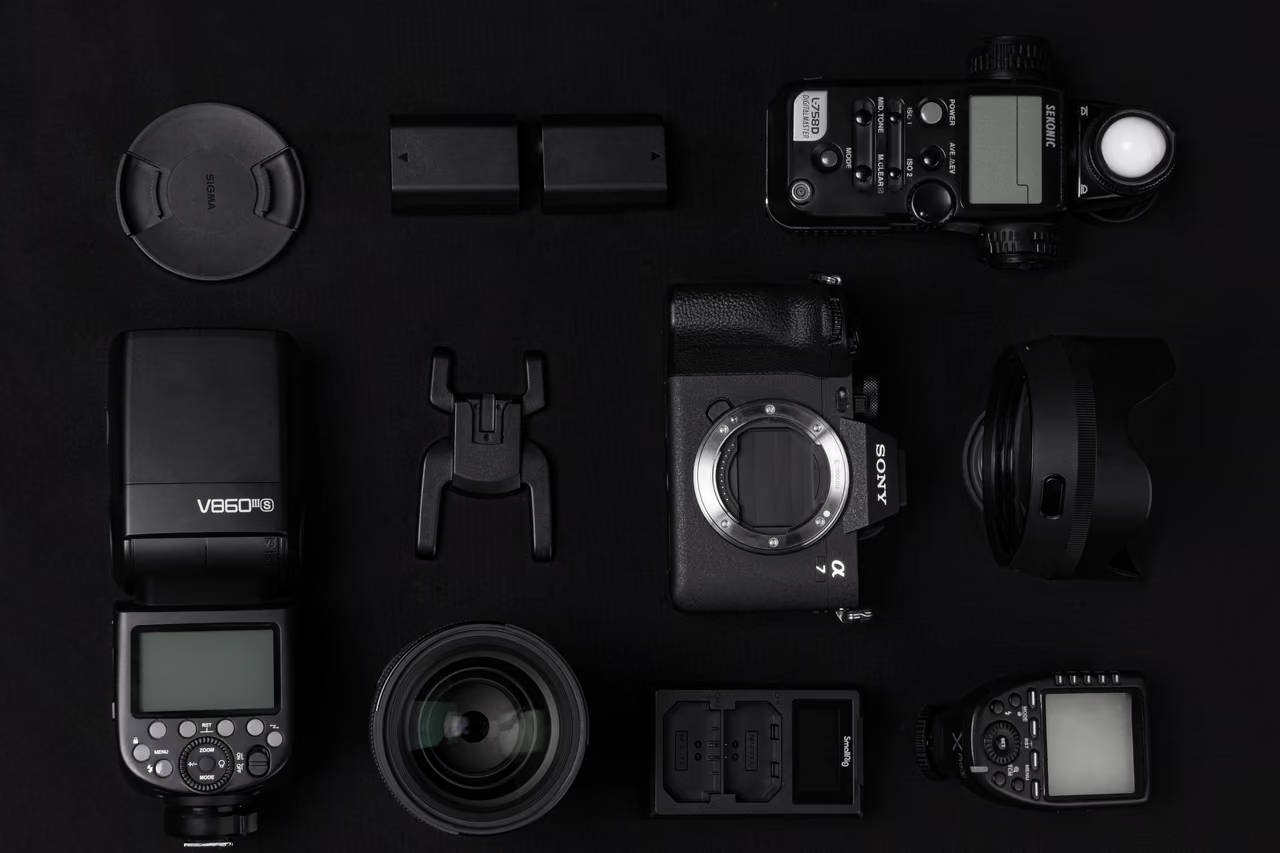
Photo archive
The image, in detail.
Photography by Sequoia Studio · Selected by Ronald Infante.
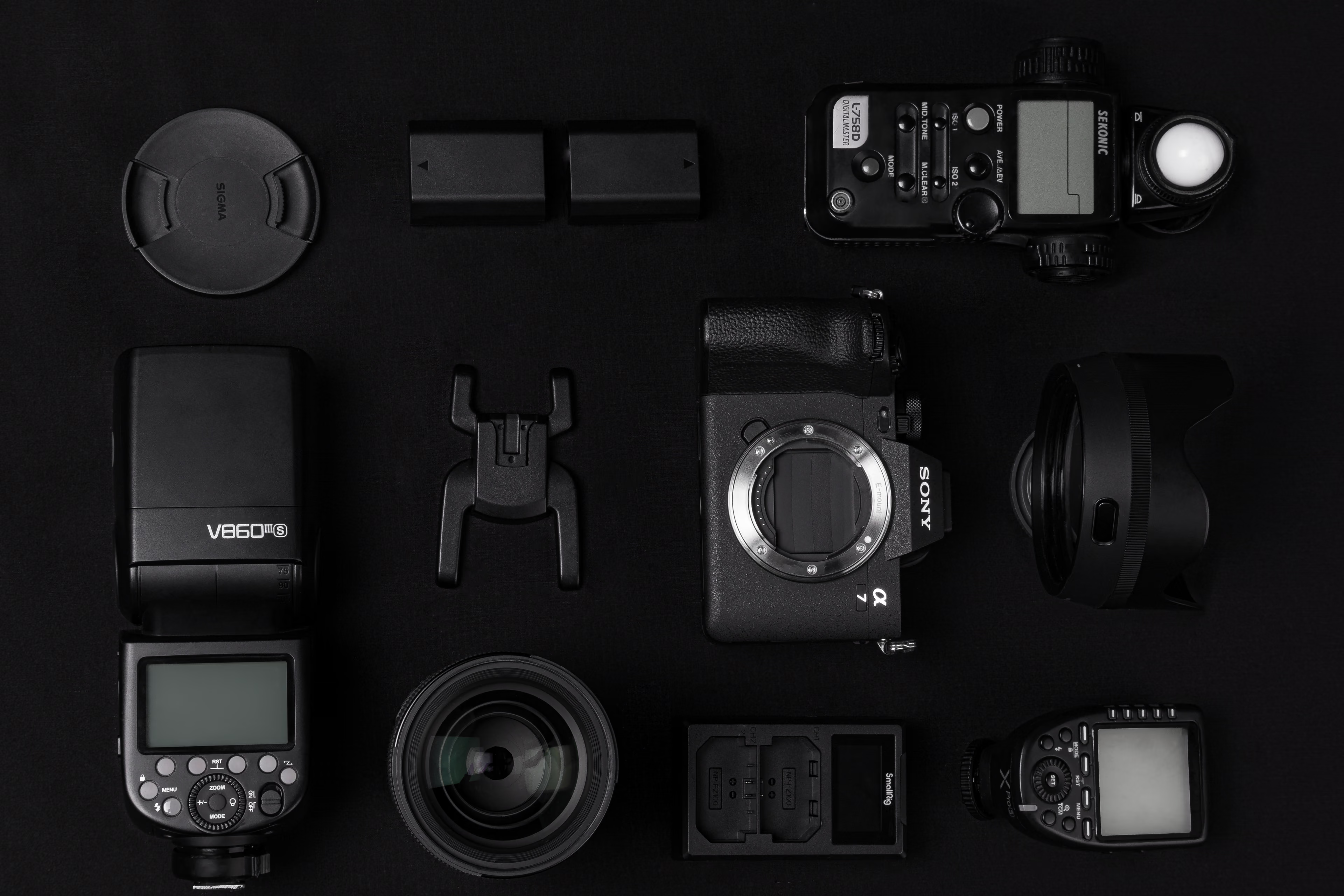
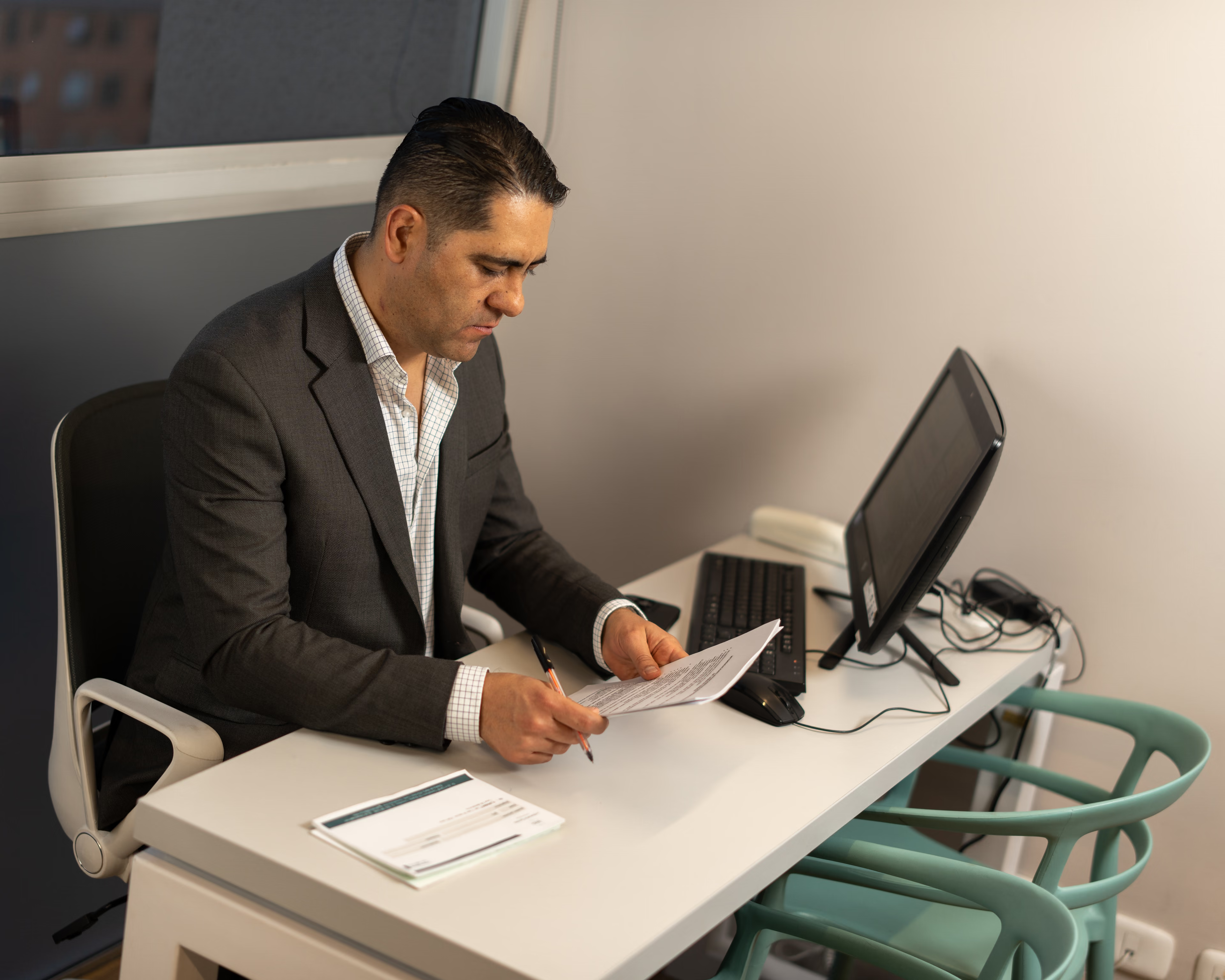
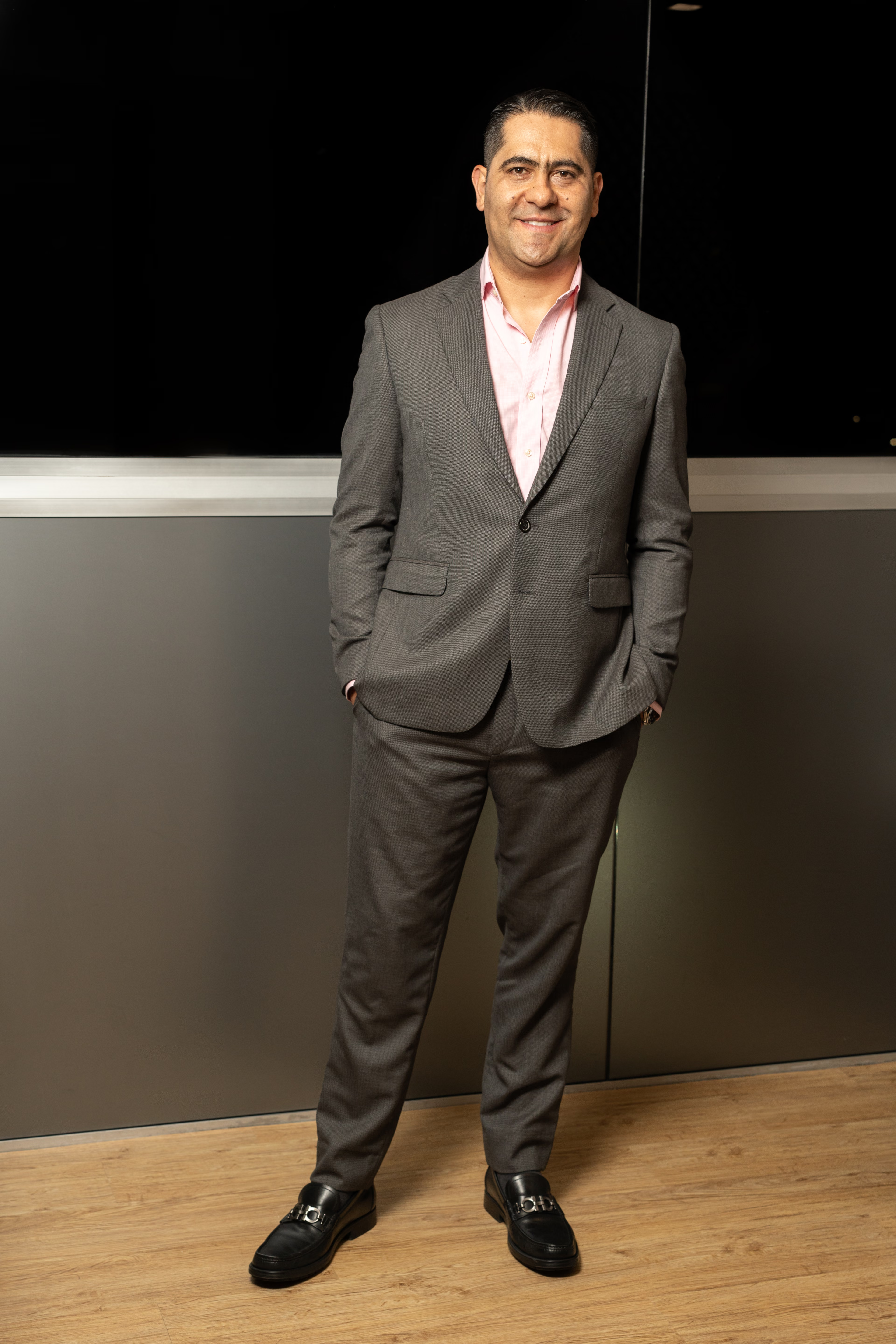
A selection from our photo archive: directing people, product and lighting. These images are photographs, not video stills or video cases for this service.
Product
Corporate
What it can include
Deliverables shaped by how they will be used.
It works for leaders, teams and brands that need to develop a voice of their own, document knowledge or keep up a regular conversation with their audience.
- Audio and video episode
- Multicamera recording
- Framing and lighting design
- Vertical clips and subtitled excerpts
In practice
What is delivered and how long it usually takes.
To record a video podcast, you usually need no more than a producer who runs the session and keeps time, a camera operator, a sound technician who monitors every microphone and, if the set is new, someone for lighting and art direction.
- Format development: 1 to 3 weeks: name, structure, set and identity
- Prep per episode: 3 to 7 days: guest, research and run-down
- Recording: One session of 2 to 4 hours per episode, or one shoot day for 2 to 4 episodes
- Editing and clips: 5 to 10 business days per episode
These are typical ranges for a standard project; the actual schedule is confirmed in writing with the scope.
Evidence and investment
What you can verify before requesting a quote.
We publish the evidence that exists and state its limits. The budget is built on a comparable scope, not on a generic figure that changes later.
Visible proof, without passing it off as a podcast case study.
Our public portfolio lets you judge our visual craft and post-production. We have not yet published an authorized episode as a podcast case study, and we would rather state that limit than simulate podcast-specific experience.
See the available evidenceA figure that matches the scope.
For a podcast, the price depends on the number of episodes per season, whether there is initial format and identity development, the recording location and travel, the number of cameras and participants, the length of each episode, the level of editing and audio cleanup, the number of clips and subtitles, and whether the production company handles publishing.
Share your project and budget rangeService guide
Decisions that improve the result before production.
This guide explains the scope, the variables and the criteria worth reviewing so you can hire with comparable information.
Read the full guide to preparing your project
What this service is and what problem it solves
A branded podcast is a recurring conversation with an editorial point of view, a structure and a coherent listening or viewing experience. It can document knowledge, interview a community, build thought leadership or support a content strategy. It isn't just a matter of setting up microphones: topic, hosting, guests, pacing, image and distribution all have to deliver on a recognizable promise.
The most common brand podcast formats are the interview with a different guest each episode, the standing conversation between two or three hosts, the solo episode by an expert, the roundtable with several guests and the scripted narrative series with archival material. Each needs different preparation: the interview depends on researching the guest; the narrative series, on scripting, voice-over and sound design.
When it makes sense to produce it
It works when the organization has ongoing access to experts, stories or questions that deserve more depth than a short piece. A defined season is usually more useful than one-off episodes because it lets you test segments, frequency and length. Video widens distribution through full episodes, clips and vertical excerpts.
A video podcast usually makes sense when the brand can sustain at least one season, because a show's audience takes time to build. If the need is a single conversation with an executive for a specific date, a recorded interview or a corporate video will probably do the job better. It also pays off when short excerpts from each episode can feed social channels for weeks.
How to turn the brief into a plan
We define the audience, purpose, working title, host, guest types, length, segments, tone and editorial limits. A run-down gives the conversation order without turning it into a rigid script. We also agree on consent, the handling of sensitive topics, checks on names and job titles, and the approval process before publishing.
To get started, it helps to answer some practical questions: who hosts, and how much time can they spend preparing each episode? Is there a list of at least ten possible guests? Will the conversation happen in person, or will there be remote guests? Is the main format audio with video as a complement, or video made for YouTube? Those answers define the set, the number of cameras and the shape of the run-down.
Pre-production, crew and execution
Preparation includes a conversation beforehand with each guest, research, camera placement, mic checks, lighting, set identity and a backup plan. During recording, we monitor levels, continuity, length and cues between production and the host. A well-timed pause or a repeated answer can save a difficult rebuild in the edit.
A typical podcast set uses two or three cameras—a wide shot and a close-up for each person—and one microphone per participant, with the audio captured on a separate recorder plus a backup copy. Before starting, we test each voice at the real intensity of the conversation, not with a quick hello. If several episodes are recorded on the same day, we leave breaks to check the audio and give the hosts a rest.
Deliverables for each channel
A season can include the full video, audio master, vertical clips, horizontal excerpts, subtitles, thumbnails, description and platform files. If publishing is in scope, access and approvals have to be clear. Short pieces are chosen because they work on their own, not just because they are eye-catching moments.
Audio and video platforms ask for different files. For audio, we deliver a loudness-normalized file with title and episode-number tags and square cover art, ready to upload to the hosting service that generates the RSS feed. For video, the full episode in 16:9 with a thumbnail, timestamped chapters and a description. Vertical clips carry subtitles and the guest's name on screen.
What changes the budget
The variables are format development, frequency, studio or location, number of cameras, miking, set, visual identity, guests, shoot days, episode length, level of editing, audio cleanup, clips and publishing. Recording several episodes back to back can be efficient, but it takes enough preparation and energy for the conversation to keep its quality.
A podcast has one-time costs and recurring costs. The first are format development, the name, the visual identity, the opening music and, if one is built, a dedicated set with furniture and a branded backdrop. Recurring costs are calculated per episode: recording session, editing, audio cleanup, clips, subtitles and thumbnails. Separating the two helps estimate the real cost of a full season.
A comparable quoteIt should state the creative scope, shoot days, crew, post-production, versions, revision rounds, rights, schedule and what is not included.
How we review quality
The sound should feel steady and close, the cameras should keep continuity, and the edit should remove friction without erasing what feels natural. We check sync, names, lower thirds, music, levels, breathing room in the cuts and legibility on mobile. A good episode can stand on its audio alone and, at the same time, make the most of its visual language.
A simple way to review an episode is to listen to the first five minutes on headphones and then on a phone speaker: the voices should sit at a similar volume, with no echo or knocks on the table. On video, camera switches should follow whoever is speaking without abrupt jumps. In the clips, each excerpt should make sense without having seen the episode, and the lower thirds should show the correct name and job title.
How to compare production companies and proposals
Ask whether the production company develops the format or only runs the set, how many cameras and microphones it plans for, how it protects the audio and what level of editing it includes. Confirm the number of clips, subtitles, thumbnails, revisions, publishing and file delivery. Two recording quotes can hide very different post-production workloads.
If you are comparing studios or production companies, ask to hear a long conversation recorded by that team, even if it isn't a published podcast, because audio problems show up after the first few minutes, not in a social clip. Ask whether the price is per studio hour or per finished episode, who operates the cameras during recording, how many days they take to deliver and whether they keep the separate tracks from each microphone.
Common mistakes to avoid
The usual failures are starting without an editorial reason, inviting people before preparing the host, recording in a reverberant room, relying on a single audio recording, promising an impossible frequency and pulling clips out of context. A private pilot lets you review language, length and flow before committing to a full season.
A common mistake is inviting someone because of their title and discovering during recording that they don't enjoy conversation or can't speak freely about the planned topics. Another is not asking the guest for a signed release to publish their voice and image. One more is letting episodes grow to two hours because “the conversation was good,” when the audience expected forty minutes and a recognizable structure.
What should be in writing before we start
Before starting a podcast, the agreement should set the number of episodes in the season, their approximate length, the publishing frequency and the format: audio only, audio with video, or video as the main piece. It should also say where recording happens—a studio, the brand's office or a different location for each episode—and how many episodes are recorded per session, because that sets the whole team's calendar.
Each guest should sign a release allowing their voice, image and name to be published on the agreed platforms, and should know in advance whether they will be able to review the episode before it goes out. It's worth putting in writing who finds and confirms the guests, what happens if one cancels at the last minute, and how sensitive topics are handled if someone asks for them to be removed after recording.
The scope should say in whose name the hosting, YouTube and audio-platform accounts are held, because the channel and its RSS feed are a brand asset. It should also say who uploads each episode, writes the descriptions and schedules publishing, what happens to the opening music if the relationship ends, and how long the separate tracks from each microphone are kept.
Process
Clarity before, during and after.
Every stage ends with a specific decision or approval. That protects the schedule, the budget and the creative intent.
Concept, audience and structure
We define who the show is for, what sets it apart, its name, length, segments and the kind of guests who will carry it.
Run-down, guests and preparation
We prepare each episode's run-down, research the guest and hold a conversation beforehand to agree on topics and limits.
Recording picture and sound
We set up cameras, microphones and lights, check levels with each voice and record with an audio backup while keeping an eye on the pacing.
Episode edit, clips and agreed publishing
We edit the full episode, pull subtitled clips, prepare thumbnails and publish only once the brand approves.
Frequently asked questions
What to define from the brief.
Can you produce a full season?
Yes. A season lets us define identity, frequency, length and clip packages more consistently than one-off episodes.
Do you handle publishing to platforms?
It can be included as a deliverable, but we need to define which accounts, copy, cover art and approvals will be available. We never publish without authorization.
What should the guest prepare?
A conversation beforehand, the topics that are and aren't on the table, correct names and job titles, and a clear expectation of the episode's tone.
Is it better to record in a studio or at the brand's office?
A podcast studio already has acoustic treatment and a set in place, which cuts setup time. The office brings identity and puts in-house guests at ease, but it means choosing a room without echo or traffic noise and, sometimes, bringing in panels and lights. For a long season, a permanent set at the office can be practical.
Can guests join remotely?
Yes. Ideally, the guest records their own audio and video on their own equipment while talking over a video call, and the files are synced later in the edit; that avoids the compressed quality of the call. We send them simple guidance on microphone, light and background, and we run a test beforehand. Even so, the result will be different from recording in the same room.
How much is a conversation edited?
It depends on the agreed style. A light edit removes long silences, false starts and obvious repetitions, and keeps the natural flow. A deeper edit reorganizes segments, cuts topics that didn't work and tightens the pacing. Settling this from the first episode keeps the host from being surprised by a version much shorter or longer than they expected.
Can we publish only on video, without audio platforms?
You can, but you lose people who listen in the car, while walking or while working out, who tend to prefer audio apps. Since the sound is already recorded separately, delivering it as a master for those platforms takes little extra work. What matters is deciding from the start whether there will be visual references that won't make sense to someone who is only listening.
What does the host need to lead the conversation well?
More than media experience, they need curiosity, preparation and the ability to listen. Before the season, we do a test recording to fine-tune how they ask questions, how long they speak and how they relate to the camera. During recording, the producer gives them discreet cues about time remaining and topics still to cover.
Go deeper
Related guides.
Content written to help you prepare the project better and compare scopes with judgment.
Your next project
First we understand the intent. Then we choose the tools.
Tell us what you need to communicate, to whom, and when it has to be ready.
Write to Sequoia Studio