
- Web master. H.264 MP4 at 1920 × 1080 or 3840 × 2160, with stereo audio and loudness set for digital platforms.
- Archive master. A file in a high-quality intermediate codec, such as ProRes, to store or re-export without visible loss.
- Social versions. 9:16, 4:5 or 1:1 reframes, usually 15 to 90 seconds long, with burned-in subtitles.
- Subtitles. One SRT file per language, plus a version with subtitles burned into the image when the platform doesn't read them.
- Audio stems. Separate dialogue, music and effects tracks, useful for dubbing or new mixes.
- Clean version. A master with no lower thirds or on-screen text, so you can translate or update information without redoing the edit.
Post-production · Bogotá
Video post-production: editing, color grading and sound.
We shape the footage you already have. Share the type of files, the result you need and the delivery date so we can quote the scope.
Request a quoteI prefer WhatsApp ↗
Based in Bogotá · Scope and deliverables in writing
The service at a glance
What can you hire Sequoia Studio for?
Video editing and post-production services from Bogotá: giving structure and finish to footage that has already been shot, whether by your team or another.
- What it can include
- Edit, color, sound, titles, subtitles and versions, based on a review of the footage.
- What we need to know
- A sample of the files, length of the raw footage, script or reference, required outputs and permissions.
- Price and date
- Confirmed per project, after reviewing the scope. There is no one-size-fits-all package and no guaranteed availability.
Compare with other services · Meet the studio and how we work · See our own sample and its context

Photo archive
The image, in detail.
Photography by Sequoia Studio · Selected by Ronald Infante.
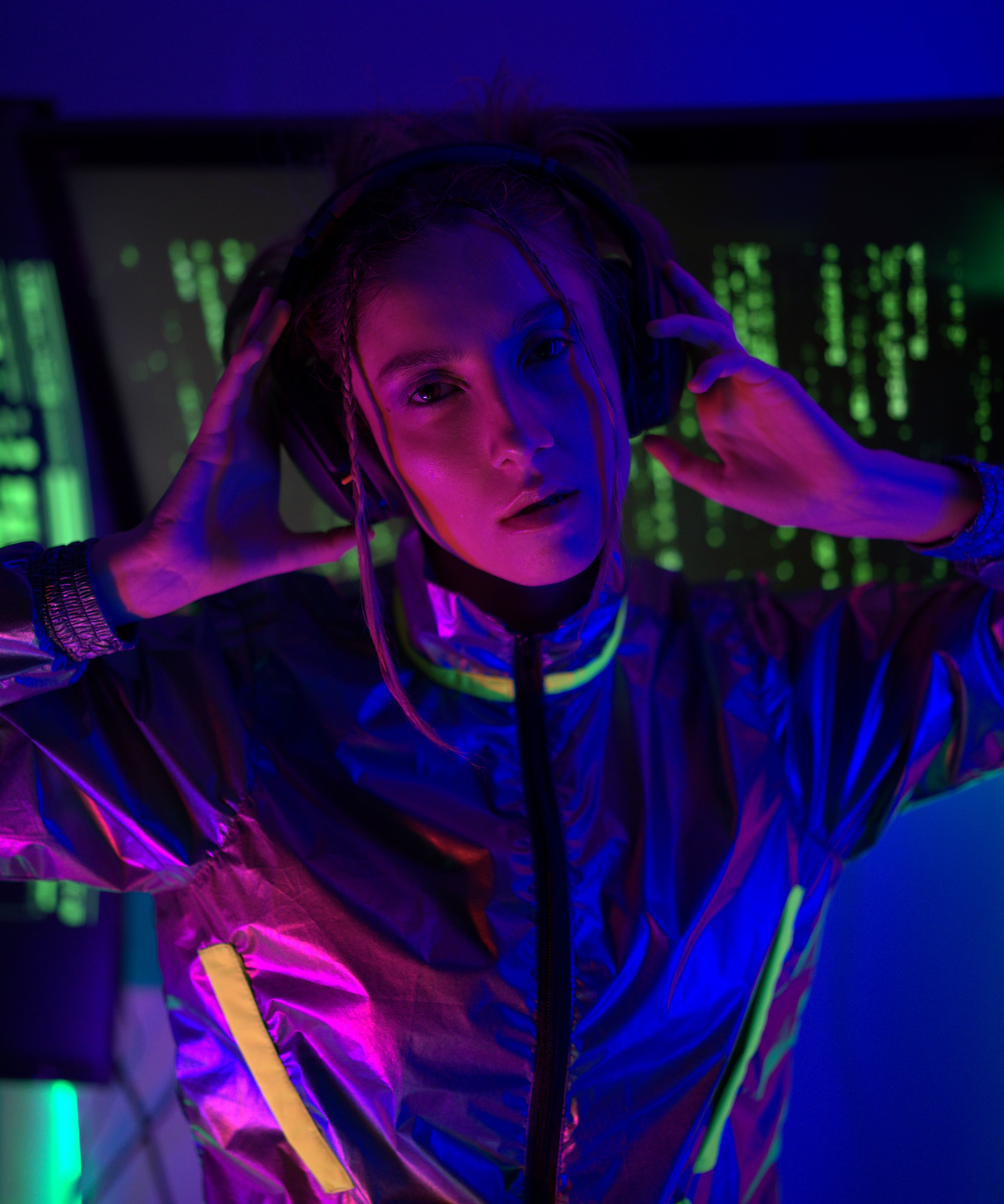
A selection from our photo archive: directing people, product and lighting. These images are photographs, not video stills or video cases for this service.
Editorial


What it can include
Deliverables shaped by how they will be used.
It's useful when footage already exists but still needs structure, rhythm and finish; also when a production needs a post team separate from the shoot.
- Narrative editing and versions
- Color correction and grading
- Audio cleanup, mixing and sound design
- Subtitles, titles and motion graphics
In practice
What is delivered and how long it usually takes.
Depending on the piece, post-production involves an editor, a colorist, someone handling the mix and sound design, and a motion graphics animator, with one person coordinating dates and collecting feedback.
- Intake and inventory: 1 to 2 business days, depending on the volume of footage
- First cut: 3 to 7 business days for a piece of 1 to 3 minutes
- Each round of changes: Usually 2 to 3 business days after receiving consolidated feedback
- Color, mix and masters: 2 to 4 business days, depending on versions and formats
These are typical ranges for a standard project; the actual schedule is confirmed in writing with the scope.
Evidence and investment
What you can verify before requesting a quote.
We publish the evidence that exists and state its limits. The budget is built on a comparable scope, not on a generic figure that changes later.
A case study of our own that walks through editing, color and sound.
The Sequoia Speed case lets you review a playable piece and read the decisions on selection, pacing, visual treatment, mixing and delivery behind the post-production.
Review the post-production caseA figure that matches the scope.
In post-production, the price depends mainly on how much footage has to be reviewed, the length and number of final pieces, and the level of finish: cutting an interview is not the same as building a piece with animation, color grading and sound design. Audio cleanup, subtitles in several languages, licensed music and short turnarounds also play a part.
Share your project and budget rangeService guide
Decisions that improve the result before production.
This guide explains the scope, the variables and the criteria worth reviewing so you can hire with comparable information.
Read the full guide to preparing your project
What this service is and what problem it solves
Video post-production organizes recorded footage and transforms it into a finished piece. It includes ingest, backup, syncing, selection, editing, graphics, color, sound, subtitles, revisions and masters. It's where the decisions are made about what the audience sees and hears, but it can't recover information that was never recorded or make up for missing permissions or files.
In practice, the levels vary a lot. A recorded talk may need only clean cuts, lower thirds and subtitles; a corporate video calls for structure, music and pacing; a commercial adds fine color grading, sound design and animation. Naming the level from the start avoids comparing apples and oranges and helps decide where it's worth investing: sometimes a good audio mix improves a piece more than an elaborate color grade.
When it makes sense to produce it
It makes sense when you have your own footage that needs structure and finish, when an agency needs a local editing team or when a production generates multiple versions. It can also rescue a scattered archive through inventory and selection, as long as formats, quality, audio, rights and the condition of the media are assessed first.
Some cases come up often: a marketing team that films interviews on a phone and needs them to look and sound professional; a two-hour conference that can become several short capsules; a corporate video from a few years ago that needs updating with the new logo and details without reshooting. In all of them, the first question is the same: whether the existing footage is enough for the piece you have in mind.
How to turn the brief into a plan
Before editing, we ask for the objective, audience, script or treatment, references, all the footage, logos, approved typefaces, brand guidelines, available music, deliverables and date. Intake includes a technical inventory and flagging anything missing. A folder tree and a shared naming convention avoid wasting time hunting for versions or replacing the wrong files.
Some details save days. Send the original files exactly as they came out of the camera, not copies downloaded from WhatsApp or social media, which arrive compressed. If there are interviews, a timestamped transcript lets us build the structure on paper before opening the timeline. And if you already know which answers you want to use, noting the file and the minute keeps the editor from guessing what mattered.
Pre-production, crew and execution
The first cut works on structure and content before finish. Once it's approved, we refine pacing, graphics, music and sound design; color and the final mix happen once editing decisions are locked. Separating the stages avoids repeatedly correcting elements that can still change, and gives each round a clear purpose.
Usually, each cut is shared on a private link where you can leave comments pinned to the exact second of the video, instead of loose lists by email. Versions are numbered and none is overwritten, so it's always possible to go back to an earlier decision. When the footage is very heavy, we edit with lightweight proxies and, at the end, relink to the originals to export at full quality.
Deliverables for each channel
Masters are defined by resolution, aspect ratio, codec, duration, subtitles, mix and destination. Paid media, social, archive, TV, screens and presentations can require different specs. We also agree whether editable projects, clean files, audio stems or text-free versions are delivered, and which licenses allow them to be reused.
The same video usually needs several outputs: the horizontal version for the web, a vertical one reframed shot by shot for social, another without text in case it is translated later, and subtitles in two forms, burned into the image and as a separate SRT file for platforms that read them on their own. Each file is named with project, version, format and date, so nobody publishes the cut that was still in review by mistake.
What changes the budget
The cost depends on the volume and organization of the footage, duration, narrative complexity, languages, graphics, animation, audio cleanup, color, music, number of versions and turnaround. Ten hours of unlogged footage take more review than two well-marked hours. Open-ended rounds and contradictory feedback also expand the work.
There are legitimate ways to protect the budget without sacrificing finish. Delivering the footage organized, with the good takes marked, cuts review hours. Approving a template for lower thirds and subtitles at the start lets it be applied to a whole series. And deciding the versions before editing avoids redoing the edit: a vertical planned from the first cut costs less than one adapted after the horizontal is locked.
A comparable quoteIt should state the creative scope, shoot days, crew, post-production, versions, revision rounds, rights, schedule and what is not included.
How we review quality
A master should tell a clear story, keep continuity, hold audio levels, respect color and be free of errors in text, frames or compression. We do a visual and audio review of the final files, check duration and specs, and verify the subtitles. Creative approval does not replace technical export checks.
The final check happens under the conditions in which the piece will be seen. We review the video on the editing monitor and also on a phone, listen to the mix on headphones and on the phone speaker, and read every lower third checking accent marks, job titles and proper names. We make sure there are no black frames or audio jumps between cuts, that the subtitles match what is said and that the volume is even.
How to compare production companies and proposals
Ask which stages the rate includes, who edits, how cuts are shared, how many rounds it covers and what happens with scope changes. Confirm color, mix, motion graphics, licenses, storage, editable projects and final formats. A quote for basic editing is not necessarily the same as full post-production.
Ask what counts as a round of changes and what is charged separately: changing a song can be a tweak, but reorganizing the story is a new edit. Confirm how many days each round takes, how long they keep your footage after delivery and what it would cost to reopen the project months later to update a detail. If you can, ask to see a before and after of footage similar to yours, not just finished pieces.
Common mistakes to avoid
The common problems are handing over incomplete footage, starting without a version of the script, commenting across different channels, approving the edit and then changing the story, using unlicensed music or asking for new formats at the end. An initial inventory and consolidated feedback each round make the process more predictable.
Some technical problems only show up on import: footage shot at different frame rates that causes stutters, phone videos with variable frame rates that drift out of sync with the audio, or vertical and horizontal shots mixed without a plan. It's also common to receive the logo in low resolution, or a brand typeface the editor has no license for. Checking a sample from each source before committing to dates avoids discovering the problem halfway through the edit.
What should be in writing before we start
Before starting, it should be clear what footage is being delivered, on what medium and who is responsible for it: drives, a download link or a shared folder, with the approximate total size. Also who holds the rights to the footage and to the available music, and whether the people on camera signed releases. If some of the footage comes from another production company, it's worth confirming in writing that you can use and edit it for this purpose.
We agree on the approximate length of each piece, the list of versions with their aspect ratios, the subtitle language and who writes or reviews the translations. Also how many rounds the work includes, how many days the client has to comment on each cut and who consolidates the feedback. If the brand has a style guide with typefaces, colors and logo rules, it is handed over at this stage, not when the video is already finished.
For the wrap, we define the exact export formats, how the masters will be delivered and whether additional files are included: editable project, audio stems, separate graphics or text-free versions. Also how long the footage is kept in backup after final delivery and what happens if someone asks for a change months later. That clarity avoids hunting for files when nobody remembers where they ended up.
Process
Clarity before, during and after.
Every stage ends with a specific decision or approval. That protects the schedule, the budget and the creative intent.
Intake, inventory and backup
We copy the footage to two locations, check formats, audio and anything missing, and let you know about any problem before we start editing.
First edit and structure
We build the story with the selected footage, without the final finish, so order, length and messages are approved before investing in details.
Defined feedback rounds
We receive consolidated feedback on each cut, on agreed dates, and log what changed from one version to the next.
Color, sound, graphics and masters
With the edit approved, we grade the color, mix the audio, integrate the graphics and export each master to its channel's specs.
Frequently asked questions
What to define from the brief.
Can you edit footage shot by someone else?
Yes, after reviewing the format, resolution, audio, permissions and condition of the files. That review keeps us from promising a result the footage can't deliver.
How many revisions are included?
They are agreed in writing. Each round should bring together consolidated feedback, to protect the schedule and avoid contradictory versions.
Do you deliver editable project files?
That can be agreed. The software, licenses, source files and folder structure need to be defined before quoting.
How do I send you the footage?
Ideally, a download link or a shared folder with the original files, without renaming or converting them. If the volume is very large, an external drive can be faster. Avoid sending videos over WhatsApp or downloading them from social media, because they arrive compressed and at lower quality. Before you send anything, we share a list of what we need, including separate audio, logos and music.
Can audio recorded with a lot of noise be fixed?
Up to a point. A constant hum, air-conditioning noise or some echo can be reduced quite a bit. Voices buried under loud music, wind hitting the mic directly or distortion usually leave a mark, even if they improve. Before quoting, we listen to a sample and tell you honestly what can be achieved, so you can decide whether it makes sense to edit or to re-record that part.
Can you edit videos shot on a phone?
Yes. Many phones record good-quality video, and the footage can look professional if the light and audio were reasonable. We need to check that the frame rate is stable and that the shots have the right orientation for each format. With color grading, moderate stabilization, subtitles and a good mix, the result usually improves a lot, although it won't look like a shoot with cinema cameras.
What music can be used in the video?
Music licensed for the use the piece will have: paid libraries, original compositions or tracks the brand holds the rights to. A well-known commercial song can't be used just because you bought it or it plays on the radio; platforms may mute or block the video. When quoting, we define where the music will come from and who covers the license.
Can you update an existing video?
Yes, when a logo, a figure, a spokesperson or an address has changed. The simplest route is having the original project and its files; without them, it is sometimes possible to work from the master, covering or replacing segments. First we review what you have and tell you whether the update is feasible or whether it makes more sense to shoot new parts and rebuild the piece.
Go deeper
Related guides.
Content written to help you prepare the project better and compare scopes with judgment.
Your next project
First we understand the intent. Then we choose the tools.
Tell us what you need to communicate, to whom, and when it has to be ready.
Write to Sequoia Studio