
- Reels and vertical videos. 15- to 60-second pieces in 9:16, Full HD, with burned-in subtitles
- Horizontal clips. 1- to 3-minute videos in 16:9 for YouTube, LinkedIn or the web
- Paid media cutdowns. 6- to 15-second variations with different openings for testing ads
- Covers and photos. One cover per piece, plus supporting photos taken on the same shoot day
- Footage library. Clean shots of product, hands and spaces for future edits
- Delivery matrix. A list with file name, platform, suggested date and post copy
Social content · Brands
Brand content and Reels in Bogotá, Colombia.
We plan and produce social videos for your channels and campaigns. Together we define how many pieces you need, the formats and the production calendar.
Request a quoteI prefer WhatsApp ↗
Based in Bogotá · Scope and deliverables in writing
The service at a glance
What can you hire Sequoia Studio for?
Social content and Reels from Bogotá: producing a coherent series of pieces for a brand’s calendar.
- What it can include
- List of pieces, short scripts, shooting in blocks, editing and subtitles, depending on the scope.
- What we need to know
- Topics, frequency, number of pieces, platforms, formats and who signs off.
- Price and date
- Confirmed per project, after reviewing the scope. There is no one-size-fits-all package and no guaranteed availability.
Compare with other services · Meet the studio and how we work · See our own sample and its context

Photo archive
The image, in detail.
Photography by Sequoia Studio · Selected by Ronald Infante.
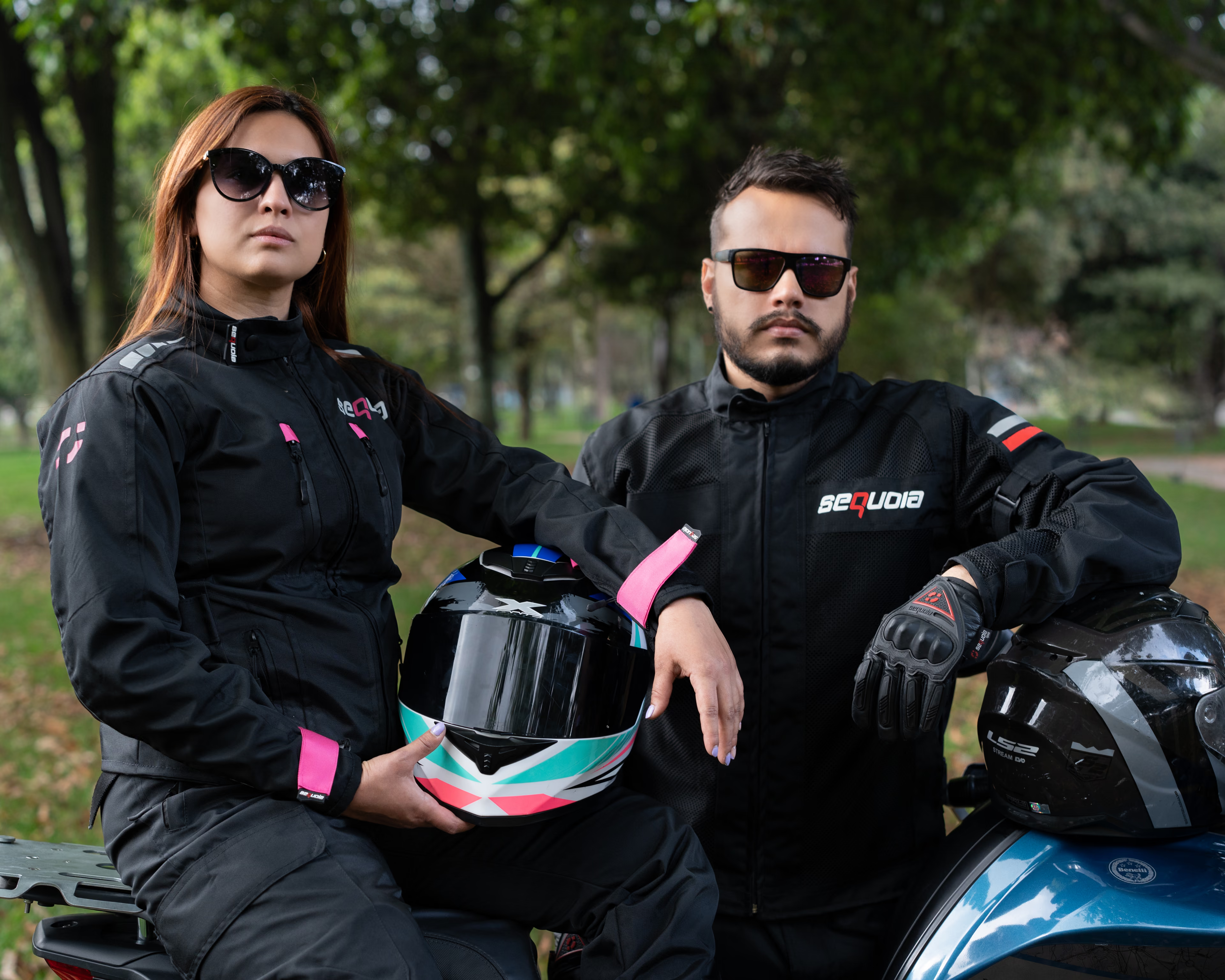
A selection from our photo archive: directing people, product and lighting. These images are photographs, not video stills or video cases for this service.
Motorcycling
Pets

Food

What it can include
Deliverables shaped by how they will be used.
It’s useful when a brand needs to publish often but doesn’t want to improvise every week. The value lies in thinking through topics, formats and versions before the camera rolls.
- Reels and vertical videos
- Branded content series
- Educational or product clips
- Footage library for editing and paid media
In practice
What is delivered and how long it usually takes.
A standard content shoot day usually needs no more than a director or content producer, a camera operator who also handles lighting, a sound recordist or audio assistant and, if there are several product scenes, an art director or stylist.
- Planning and scripts: 1 to 2 weeks for the first block; less for the following ones
- Pre-production: 3 to 7 days: set, wardrobe, products and shooting order
- Shoot: Half a day or a full day per block, depending on the number of pieces
- Editing and delivery: 1 to 3 weeks, in staggered batches
These are typical ranges for a standard project; the actual schedule is confirmed in writing with the scope.
Evidence and investment
What you can verify before requesting a quote.
We publish the evidence that exists and state its limits. The budget is built on a comparable scope, not on a generic figure that changes later.
Our own sample, built for several platforms.
The Sequoia Speed case shows how a single source of footage can be organized for horizontal and mobile formats. It isn’t presented as a campaign for an outside client.
Explore our own sampleA figure that matches the scope.
For social content, the price depends on the number of finished pieces per block, whether the production company writes the scripts or the brand supplies them, set and location changes, the talent or creators presenting, the level of editing per piece (graphics, animated subtitles, sound design) and the cadence of the agreement: monthly, quarterly or per campaign.
Share your project and budget rangeService guide
Decisions that improve the result before production.
This guide explains the scope, the variables and the criteria worth reviewing so you can hire with comparable information.
Read the full guide to preparing your project
What this service is and what problem it solves
Brand content is a system of short, recurring pieces created to sustain a conversation on digital channels. It can educate, demonstrate, entertain, answer objections or document company culture. Unlike a one-off campaign, it needs an architecture of topics and formats that makes it possible to produce frequently without repeating exactly the same idea.
In practice, this service takes several forms: an educational series in which an expert from the brand answers questions, short product demos, behind-the-scenes pieces on how things are made or how customers are served, videos presented by employees or creators, and clips designed for ads. What ties them together is that they’re produced as a set and follow shared rules for framing, color, typography, subtitles and tone of voice.
When it makes sense to produce it
It’s a good fit when a brand needs to feed Instagram, TikTok, LinkedIn, YouTube or other platforms with a recognizable voice. It also fits when the in-house team has valuable knowledge but no method for turning it into videos. Producing in blocks yields series, demos, interviews and reusable footage under a single visual direction.
It’s usually the next step when a brand already posts, but each piece depends on whoever has time that week and the results look uneven. It also helps when paid media needs fresh ads often because the same videos stop performing after a few weeks. In both cases, producing in monthly or quarterly blocks yields more usable material than ordering one-off pieces at the last minute.
How to turn the brief into a plan
The starting point is objectives, audiences, editorial pillars, frequently asked questions, the commercial calendar and approval capacity. Then we build a matrix that links topic, format, spokesperson, hook, development, call to action and channel. That matrix reveals which pieces can share a set and which need a separate production.
To plan a block, it helps to come with what you already know: which posts have worked and which haven’t, the questions the sales or customer service team hears most, the key commercial dates of the coming months and the priority products. You also need to decide whether someone from the team will be the face on camera or whether talent will be hired, because that changes the scripts, the frequency and long-term continuity.
Pre-production, crew and execution
We prepare short scripts or run-downs, supporting assets, products, wardrobe, set changes and the shooting order. During the shoot we protect the spokespeople’s energy and group scenes by lighting and sound setup. We also capture enough openings, closings and B-roll so the episodes don’t feel identical.
A content shoot day is usually split by set: first all the pieces in front of the main backdrop, then the tabletop demos and finally the shots in other areas. Each set change usually takes 20 to 40 minutes of lighting and art work, so the order is decided in advance. Presenters receive their scripts days ahead and, on set, record with a teleprompter or in short phrases.
Deliverables for each channel
The package can combine Reels, horizontal clips, paid media cutdowns, photos, thumbnails, subtitles and a footage library. Each platform has different lengths, margins and viewing habits. Delivering a matrix with names, versions and reference copy reduces errors when the marketing team schedules or promotes the content.
A typical block is delivered in batches rather than all at the end: first the pieces for the next two weeks, then the rest. Each video arrives with a name that indicates topic, platform and version, plus a cover and suggested post copy. It’s often useful to keep a folder of unedited B-roll—hands, product, spaces—that marketing can use in Stories without reshooting.
What changes the budget
The factors are volume, the complexity of each script, set changes, the number of spokespeople or products, shoot days, art direction, frequency and level of editing. Producing more pieces doesn’t always lower the cost if each one needs a new setup. Efficiency comes from grouping compatible needs and approving in batches.
In social content, one part of the budget that’s often underestimated is the writing: turning a topic into a 30-second script with a good hook takes time, and receiving finished scripts is not the same as developing them from scratch. Animated graphics or subtitles per piece, different versions for each platform, revision rounds and whether the agreement is monthly or per one-off order also play a part.
A comparable quoteIt should state the creative scope, shoot days, crew, post-production, versions, revision rounds, rights, schedule and what is not included.
How we review quality
We don’t measure quality by sharpness alone. The opening should promise a clear idea, the pacing should respect the content and the subtitles should be readable without covering the interface. We check brand consistency, names, facts, framing, mix, spelling and how the piece connects to its CTA. The system has to hold up for more than a week.
A practical check before publishing a batch is to watch it back-to-back on a phone, the way someone would see it in their feed: do the videos look like they come from the same brand? Do the first two seconds announce the topic? Do the subtitles have errors or cover faces? It’s also worth confirming that the music is licensed for commercial use, because songs trending on an app can’t always be used on business accounts.
How to compare production companies and proposals
Ask for examples of series, not just standalone Reels. Check whether the proposal includes editorial development, scripting, directing the spokespeople, versions, subtitles, a delivery calendar and file organization. It’s also worth knowing who adapts marketing’s feedback without breaking the continuity of the whole set.
When comparing providers, ask how many finished pieces each shoot day includes and how much editing each one gets: a clip with basic cuts is not the same as one with graphics, animated subtitles and sound design. Also find out whether the same team will stay on for the following blocks, because switching providers every month tends to break visual consistency, and whether they deliver the original files or only the exported videos.
Common mistakes to avoid
The common mistakes are chasing every trend without an identity, cramming too many scripts into one shoot day, ignoring audio, using the same cut on every channel and starting without an approval workflow. A realistic production leaves room to learn from the first pieces and adjust the next block without rebuilding the whole system.
A frequent mistake is measuring content by views alone, without defining what should happen next: messages, store visits or quote requests. Another is writing scripts as if they were for television, with long sentences and a formal tone that doesn’t fit social media. A third is relying on a single person at the company as the face of all the content, without planning for what happens if they change roles or leave.
What should be in writing before we start
For a content service, the agreement should specify how many finished pieces are delivered per block, their approximate length, the platforms they’re meant for and the level of editing each type gets: a simple clip, a piece with graphics or a video with animated subtitles. It should also state how many shoot days the period includes, how far ahead the dates are booked and what happens if the brand needs to move them.
It should be clear who writes and who approves the scripts, how quickly the brand responds and what happens if an approved piece is canceled or replaced by a more urgent topic. If the presenter is an employee or an outside creator, it’s best to have in writing their image release, how long the brand can keep publishing those videos and whether they can be used as paid ads.
At the close of each block we deliver a list of the files, their names and the platform each was designed for, plus the B-roll folder if it’s included. It’s worth agreeing how long the production company keeps the raw footage, because with recurring content it’s common to go back to a shoot from months earlier to build a new piece with a different angle.
Process
Clarity before, during and after.
Every stage ends with a specific decision or approval. That protects the schedule, the budget and the creative intent.
Objectives and content pillars
We define what the content needs to achieve and organize the topics into three to five pillars the brand can sustain for months.
Short scripts and format matrix
We write short scripts with a hook and a close, and assign each piece a format, a platform and a tentative publishing date.
Production in blocks
We group pieces by set and presenter to film several weeks’ worth of material in one shoot day without wearing anyone out.
Editing, subtitles and delivery calendar
We edit in batches with subtitles and covers, and deliver on schedule so marketing can plan posts in good time.
Frequently asked questions
What to define from the brief.
How many Reels can you produce in one shoot day?
We don’t use a universal figure. It depends on complexity, set changes, talent, audio and the level of editing. The content matrix sets a realistic target before the shoot.
Will the content work on several platforms?
Yes, but exporting the same thing everywhere without thought isn’t a good idea. We define framing, length, on-screen text and pacing according to the channel and whether the use is organic or paid.
Do you also develop the ideas?
We can start from the brand’s pillars and turn them into concepts, scripts and shot lists. If the strategy already exists, we work from it.
Who appears in the videos if no one at the company wants to be on camera?
There are three routes. One is to prepare someone from the team with short scripts and practice on camera; it usually works better than expected. Another is to hire a presenter or content creator, with a clear agreement on the usage period. The third is to produce faceless pieces focused on product, hands, processes and voice-over.
Can you make trend-based content or use popular sounds?
Yes, with care. Many songs that are popular in the apps aren’t licensed for business accounts and can lead to muted videos or claims. We prefer to adapt the trend’s format with licensed music or original audio. Also, a trend doesn’t last long: if internal approval takes two weeks, those pieces need a faster workflow than the planned block.
Do you deliver the content ready to publish, or do you also publish it?
By default we deliver the files ready to go, with a cover, subtitles and suggested copy, so the brand’s team can schedule them. Publishing and community management are separate services that require account access and their own approval workflow. If they’re needed, they’re defined separately in the scope, with clear owners and timings.
How often should we shoot?
It depends on how often you publish and how much the brand’s offer changes. Many companies shoot a block every month or every two months and supplement it with quick pieces made in-house. Shooting more often lets you react to what works; shooting less often means planning further ahead and accepting that some topics will lose relevance.
Can you reuse footage from the brand’s other productions?
Yes. A corporate video, an event or a commercial often leaves shots that didn’t make the final cut and work well for short pieces. We review that material, check that the brand has usage rights for social media—especially if hired talent appears—and include it in the matrix to reduce shoot days.
Go deeper
Related guides.
Content written to help you prepare the project better and compare scopes with judgment.
Your next project
First we understand the intent. Then we choose the tools.
Tell us what you need to communicate, to whom, and when it has to be ready.
Write to Sequoia Studio